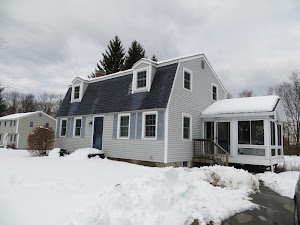
Squirrel nest problems on the roof under the solar panels what I did to get rid of them.
widow maker tree
One early morning in the spring, we noticed a faint rustling on the roof and thought that something got on the roof and then would leave. The rest of the day we did not hear any noises through the night.
Days went by with only an occasional scurry on the roof. In recent days and weeks we heard an animal on the roof not sure what it was.
Squirrel nest
We assumed that it probably could be a squirrel nest or maybe birds, hopefully not nesting under the solar panels. A few weeks later in early in April we noticed or I should say my wife noticed a squirrel peeking through the skylight looking at her.
So, my wife decided to get her phone and take a picture of the squirrel peeking through the skylight.
squirrels nesting
My wife showed me the picture and this is what I saw.
In the next few days we heard more going on and not one but two squirrels showed up in the skylight.
Two squirrels meant more than one squirrel which also means the likelihood they could nest on the roof or underneath the solar panels which was completely unacceptable to the fact that squirrels like to chew on wires.
Squirrel Nest
Two squirrels meant war and the first thing I did was surveillance of the area where the squirrels spent most of their time on the roof.
During the early to late morning I would open up the skylight and put my video camera on my phone between the skylights and the roof to determine the location of the squirrels so, I could make a game plan.
I decided to see if I could scare off the squirrels by using a long plastic stick that I under the solar panels and make noise so, they would leave the premises. No such luck the squirrels use it as an opportunity to just move to the other side of the roof. Continued in next post.
Buying a House in 2021 Home inspection or pre-inspection ?
Buying a House in 2021 with a Home Inspection is a through evaluation of the house you are buying and usually it’s performed prior to the signed purchase and sale. A pre-Inspection is not a home inspection at least not the conventional sense.
Pre Inspection
A pre-Inspection is quick walk through the property mostly visually looking at the same things but, without a report and generally takes about 30-60 mins. This is a type of Consulting and would not substitute a Home Inspection and nor is it recommended if you can have Home Inspection
Home Inspection or waving the home Inspection?
Buying a House in 2021, Some people are waving the Home Inspection and Bank Appraisal. Getting the home of their dreams is easier than you think. So, You wave the home inspection on the purchase & sale but, that doesn’t mean that you can not have a Home Inspection either, before the purchase or after the sale of the house.
Buying a House in 2021
Waving the Home Inspection ?
Buying a House in 2021 The risk of waving the Home Inspection can be costly. I did a home inspection for a client a few months ago. The sellers did not allow a qualified home inspector to look at the property. Pre Offer inspection with no continences.
Hard Learned Lesson !!
Seller did not allow the home inspection, I did the home Inspection only after the sale was completed. This house had many issues to include the brick chimney is disconnecting from the house. Two walls of the house required rebuilding due to the amount of water damage.
How many Pumpkins can you count
Sellers Market or Buyers Market ?
Buying a House in 2021 This is a sellers market and it is going to last as long as the interest rates are low. People are willing to use the low interest rates to their benefit to buy the house of their dreams they can afford. Don’t let this crazy market get in the way of common sense.
Location location ?
Many brokers talk about Location Location is the main factor for purchasing a home. 20 years ago that was true but, not now with the internet and cell service. Now many people able to work at home for the near future and, some of us for many years too come. I did a home inspection for a couple who works at home and there purchasing a home on a lake in western Massachusetts.
Mortgage rates ?
Mortgage rates are low now and the question is for how long will the rates stay low? Some predict the rates will stay lower until beginning to midyear 2022.
A pre-inspection or pre offer home inspection is a quick walk through for a better understanding. This is Considered what’s known in the trade as a walk and talk. The only notes taken, is you the buyer.
Full Home Inspection
The Pre offer inspection can provide you vital information but, not a substitute for a full home inspection. Then If the seller does not allow the full home inspection. This may be the only way to get your foot into the door and obtain the property of your dreams.
This is a time where the interest rates are low and the house prices are getting higher and the starting offer is the listing price of the property.
Brokers and Buyers work Hard
Many real estate agents and buyers and they have stated to me that they don’t like this market. As A result, Broker and Buyers are putting in offers on multiple properties and not getting an accepted offer creating disappointment and frustration.
Timing of Inspection
opportunity to get a pre offer home inspection is at a open house and then, the listing agent/seller provides a time slot for potential buyers to go through the house.
Thomas Herbst of Clayton Home Inspection – ASHI Certified Home Inspector
Ask the Home Inspector
Ask the home inspector to address three major concerns that you would have with a house . As a result, You can better understand the house from the three items that you’ve chosen.
Time to get a Home inspection
The best option for a pre-offer home inspection is to get an agreement with the listing agent/seller. Set a time, day as a result, someone to review the home before putting your offer in.
Get to know the Property
Get a better understanding of the condition of the property. as a result, The time frame for this type of inspection is around 1 to 2 hours, that should give you enough time to do a walk and talk inspection with a qualified inspector.
Fee for Pre offer Inspection
The fee for a pre offer inspection is around $250 to $500 and most most cases will address your specific concerns with the three items that you’ve chosen. Then inspector can observe to discover then additional items during that pre-inspection for an additional fee.
Dream home
Home Inspection Option one
First option, Do a pre-offer home inspection, the buyer goes through the house. then, Take pictures or videos of the concerns and you can consult the home inspector for a (fee) and Get a consultation on those items that you have discovered and that you have the concerns about.
Home Inspection Other Options
Second option, Get a consultation with a home inspector using phone or FaceTime or zoom. Then Walk through the house and talk to about specific items that you are concerned. Time is limited do a pre-offer home inspection walk-through.
Selling your house can be both exciting and stressful, especially if it’s your first time. Regardless of why you decided to sell your home, there are a number of pitfalls you can easily fall into, making your home selling experience less than ideal. Luckily, we’ve put together a list of the most common home selling mistakes people make so you can sell your home knowing you have your bases covered.
Underestimating the cost of selling your house
While you should ultimately profit from the sale of your home, many home sellers forget about the costs associated with selling a house. For starters, you should expect to use five to six percent of the total sale price of your home to cover the commissions of both the seller and buyer agents. For example, if you sell your home for $300,000 you could wind up paying upwards of $18,000 in commission.
Furthermore, this hefty cost doesn’t include possible concessions homebuyers might want you to make during the negotiation phase, such as making repairs suggested by a home inspector.
Not budgeting for your move
When you consider the moving process, you have two options: hiring a moving company or borrow your buddy’s truck and doing it yourself.
By hiring a moving company, rather than doing it yourself, you’re getting someone who will pack, move, and then unpack your belongings. This means that a full-service mover can be well worth the investment when you’re preoccupied with all of the other tasks associated with selling your home. Not to mention,when you hire movers your belongings are insured so you’re covered if anything breaks.
Selling a house you owe more on than what it’s worth
If you still have a remaining balance on your mortgage, you’ll most likely use a portion of the sale proceeds of your home to pay off the existing mortgage. Make sure you don’t owe more on your mortgage than what your house is actually worth or you won’t make enough money on the sale to pay off your mortgage. The best option is almost always to wait on selling your home so that it can build more equity. This way you can sell your home and buy a new one without having two mortgages at the same time.
Pricing your home incorrectly
If you price your home too high, your home may fall into seller’s limbo, sitting on the market for what feels like an eternity. On the other hand, if you price too low then you will likely sell your home quickly but you risk missing out on a significant amount of money.
The first step to understanding how much your home is worth is utilizing an online calculator. Afterward, meet with your real estate agent to discuss a good pricing strategy for your home. They will look at other comparable properties in your neighborhood that sold recently as well as bring keen insights into what the housing market is currently doing. Together, you’ll determine a good starting price as well as a pricing strategy that will incentivise buyers if your house begins to sit on the market for too long.
Skipping a pre-listing home inspection
Selling a house is stressful enough, even when everything goes right. But if a homebuyer hires an inspector who catches an issue like mold, pests, or a cracked foundation, then your stress levels will multiply as you risk losing a potential sale entirely.
Given the affordability of home inspections, there’s not much reason to avoid them. Getting a pre-listing home inspection will put your mind at ease as you’ll either know that your home is in sound condition or you’ll be able to tackle problems before homebuyers have the chance to bring them up during the negotiation phase. If an issue does arise, you can either fix it or you can let buyers know and then make a concession during the negotiation phase by reducing the price of your home accordingly.
Not refinishing hardwood floors or cleaning your carpet
If you’re reading this at home, look down. How do your floors look? Even if they don’t look terrible, there’s a pretty good chance they’re starting to show their age. Since potential buyers are going to be inspecting every aspect of your home, you should start thinking of refinishing your hardwood floors and cleaning your carpet.
The best time to have your carpet cleaned or hardwood floors refinished is right before you stage your home. Since you’ll already be moving most (or all) of your furniture to either a new home or a storage unit, this is a great time to get your floors done and make them a selling point to potential homebuyers.
Not staging your home for a quick sale
The main point of staging your home is to allow potential homebuyers the chance to picture themselves living in your space. They get to see a home with furniture and art that’s arranged in a way that highlights key features of your home, rather than an empty house that echoes every sound. Staging your home pays off too as 21 percent of agents told the National Association of Realtors that staging a home increased its’ sale price by as much as 10 percent, making it a worthwhile investment.
Forgoing professional real estate photos
With the advent of cameras on smartphones, everyone likes to think of themselves as a photographer these days. Even though that picture you took of your dinner last week looked like it could be featured in advertisements, you’re still probably not ready to take your own real estate photos. A real estate photographer will make sure that your home looks great when you list it because not only do they have the equipment, they understand the angles that best sell a home.
If you have a large home, a stunning view you want to show off, or a large amount of land, you may also want to consider having aerial photos taken of your home. The views that drones are able to capture are impressive and can help show off your home in a way that will make sure it stands out from other houses in your area that are on the market. Even better, drone technology makes this option more affordable than ever before, allowing you to get a lot more bang for your buck.
Trying to sell a poorly lit home
You want to show your home in the best light, so take the time to really gauge the quality of your lighting by closing your curtains/blinds and looking at each room as though you’re a potential homebuyer. Make a note of any rooms that are poorly lit or just seem dark and then call an electrician so that you can have some additional lighting installed.
Even worse than a poorly lit room, however, is when the lights don’t work at all. Sometimes the light bulb is just burnt out, while other times the socket itself is in need of repair. Consider calling an electrician before you begin showing your home to make sure it’s shining its brightest. Potential buyers (and your bank account) will thank you for the investment.
Not making your home energy efficient
If you’d like to spend less on your utility bills, you aren’t alone. A study by the National Association of Realtors found that 33 percent of homebuyers see high-efficiency HVAC systems as an important factor when looking at a new home.
If you have an older home, you should look into either retrofitting or replacing your HVAC unit altogether as your current system might be using a lot more energy than it needs to be. This will ensure that you have a system that is meeting your home’s needs, while also lowering your utility bill.
If you’re committed to energy-efficiency then there are a few extra things you can do. These options include making sure your home is properly insulated, ensuring that you don’t have any leaky air ducts, and buying a smart thermostat. Whichever route you pursue, having an energy-efficient HVAC system will make your house stand out from the competition.
Not cleaning your house before trying to sell it
Most of us would probably be lying if homes weren’t overdue for a good cleaning. Don’t forget to check this box before listing your home for sale.
There’s nothing more off-putting during a home tour than realizing the house is dirty. Potential homebuyers may wonder what else you’ve been neglecting. A professional cleaning company, you’ll guarantee that not only is your home spotless. You’re going to make a great impression on homebuyers when they tour your house.
Not addressing the exterior of your house
Over the years, your home’s exterior has taken a beating from the elements. Everything mother nature throws at it every year, the paint on your home’s exterior. Stain on your deck have likely lost a bit of their luster. So before listing, be sure to pressure wash your house first. In addition to making sure your house looks its best in the listing photos. You will also enhance the overall curb appeal when buyers eventually show up for a tour.
In addition to pressure washing your house and deck, you can also take the time to pressure wash your garage door, fence, patio, driveway, and any walkways you may have.
You never got around to repainting
One of the first things a potential buyer will notice when they pull up to your home is the paint. If you want to make a good first impression. You’ll need to ensure that your home is painted an inviting color and that the quality of your paint job is top-notch. While the job of repainting your house might take a few days. The value of painting your house before selling will be well worth the effort. A recent study found that painting the exterior of your home has a 51 percent return on investment.
Don’t stop with the exterior though! We’ve all seen some pretty questionable color choices on the walls of homes. If you happen to have a lime green or bright purple wall. Repaint them to be a more buyer-friendly neutral color. Doing so will make it easier for buyers to be able to picture themselves living in your home as it makes them think of your walls as a blank canvas.
Selling your house with a yard in need of some TLC
The other way to make a great first impression is by wowing potential buyers with your yard. Start by cleaning up anything that may be cluttering your yard, porch, or pathways (things like gardening equipment or a child’s bicycle). Then you can move onto mowing the lawn, weeding your garden, and planting some new flowers. If your yard has a damaged pathway, you may also want to think about fixing or even replacing it as well.
If these touch-ups seem like a lot to tackle while you’re trying to sell your home. Don’t be afraid to hire a landscaper as the cost is well worth it. A study by Turf Magazine found that a home’s value tended to increase by 10 to 12 percent after making upgrades to the landscaping.
You have mismatched appliances
Maybe your black stove died a couple of years ago and you replaced it with a brand new stainless steel one. Or maybe you swapped out that white kitchen faucet you always hated with a copper one that caught your eye. Either way, the result is mismatched appliances. While it won’t necessarily impact the overall sale price of your home. Many homebuyers are going to find the mismatched color scheme off-putting, so consider making some changes before you sell.
Selling your house
The best way to proceed is to decide which kitchen appliances are your favorite and base the color scheme off. So if that fancy new stove you bought last year is stainless steel. then make sure your other appliances are too. Luckily, many appliance manufacturers offer discounts if you purchase multiple appliances with them at once.
Lingering during a home tour
Nobody likes a lingerer, especially when they also happen to be the owner of the home you’re currently touring. If you don’t leave the home during a showing. Potential buyers feel awkward as they attempt to discuss what they like and dislike about the house. You also prevent your listing agent from being able to do their job to the best of their abilities. You’re naturally going to want to answer any questions the buyers have rather than leaving those questions to your agent. So instead of staying in your home during a showing. Try taking the opportunity to go shopping, run errands, or visit some friends instead. Your agent will thank you.
Taking a Lowball Offer Personally
Selling your house, Regardless of your reasons for moving, the fact that you’ve probably lived in your home. Years in your home means that you have a lot of strong feelings attached to it. So when you receive a lowball offer, it’s natural to be offended.
Instead of walking away, send them back a counteroffer that you and your real estate agent think is fair. If they really interested, then you’ll be glad you didn’t let your emotions get the better of you.
What is inspected by a Home inspector at a Home Inspection?
Water damage Inspection
Water is a significant part of a home inspection, as water is a home’s “worst adversary”. I am additionally inspecting the gutters and downspouts to safeguard they are taking the water far enough away from the structure.
Exterior Inspection by a Home inspector
I’m also examining the walls/siding, fascia’s, rake boards, soffits, and windows and I’m checking the structural integrity of the building. Inspecting for structural integrity and safety. Also Inspecting underside, as well (if possible)and Examining the condition of the roofing material (ie: shingles, etc.). Also inspecting vent pipes, exhaust vents, and skylights.
Attic Inspection by a Home inspector
In addition Confirming fundamental reliability of the roofing and Making sure the attic appropriately vented and insulted. Also Examination support system and for signs of water infiltration. Inspecting chimney (if present) and making sure there is a sufficient amount of insulation.
Interior Inspection by a Home inspector
Walls, Floors, Ceilings, Doors & Windows Inspection. Although The Home Inspection State regulations only require that we operate one door and window per room. I go well beyond that.
Kitchen Inspection
In addition Home inspection State regulations do not require us to inspect appliances. I do not inspect and operate dishwashers, ranges, microwaves and trash compactors.
Bathroom Inspection
Inspect plus operate all toilets, sinks, tubs, and showers, checking for leaks and proper functionality. Also, inspect any exhaust fans.
Basement Inspection by a Home Inspector
Ensuring structural integrity, looking for signs of water penetration and also inspecting bulkheads.
Heating System Inspection (Temperature Permitting)
Inspect and operate all boilers, furnaces and air handlers. Making sure each room has a heat source. Although Inspection of oil tanks not mandated by the Home Inspection State but included in my home inspection.
Cooling System Inspection (Temperature-permitting)
Inspect and operate all cooling systems in-season (ie: condensers, compressors, evaporator coils, heat pumps, etc.).
Plumbing System Inspection by a Home inspector
Inspect also operate all plumbing fixtures and Observing for leaks in supply and drainage pipes everywhere and Inspecting there are no clogged pipes (backups). Water heaters inspected.
Electrical System Inspection by a Home inspector near me
Extremely important part of a home inspection from a cost standpoint, as well as safety. In addition Inspecting all electrical panels ensuring proper grounding of an electrical system. Also Inspecting all visible wiring throughout the building for loose and/or exposed wires. Although The State regulations only require us to check one outlet per room. I go way beyond that.
Termite Inspection by a Home inspector
I am also looking for any kind of insect damage (ie: carpenter ant, termite, etc.) and My 15 years (previous) experience. As a contractor along with my 24 years experience as a home inspector simply cannot be matched. If you or someone you know has more experience than me in each of these two fields (and can prove it). Then I will gladly remove this claim.
Well water test
This test is recommended for any house with Well water. I can test for up to 26 items in the water (ie: bacteria, lead, iron, VOC’s etc.).
Radon Testing (add’l fee)
Radon
If there is a finished basement or if you plan on finishing it, then this test recommended. There are also other situations that would constitute performing a radon test.
When buying a home, If you’ve ever been to an open house or toured a home then you’ve most likely marveled at different home layouts, lamented over beautifully designed kitchens or critiqued the color choice in the bathrooms. But beyond the veneer that makes a house shine to potential home buyers, have you ever wondered what could be lying below the surface?
Buying a Home, Is the home you’re touring actually in good shape or are there hidden issues that only a trained eye can spot? Here’s your chance to learn what to look for when buying a house so you too can begin touring homes like a professional home inspector.
Inspecting the driveway when Buying a Home
All parts of the home need to work in unison and that includes your driveway. When entering a driveway you’ll want to look at its surface conditions, levelness, and the areas around the driveway.
Walk the entire driveway, noting any deterioration, cracking, heaving or settling. Driveways are known to crack over time but the reasons behind these cracks can vary, such as:
Improper compaction of the soil prior to pouring the concrete.
Trees near the driveway can cause heaving if their roots grow underneath the concrete.
A slope in the driveway can cause rainwater to settle, causing it to erode the supporting dirt below.
Deterioration of any wood used in the pouring of the driveway may leave a gap that can both become a tripping hazard and a means of moisture entering the fissure, causing more damage.
When inspecting the living room, use three passes to look at everything.
On the first pass, walk the floor in a circle and look for any signs of the floor moving or shifting, water damage, or any damage to the floor itself.
During the second pass, check out the ceiling by walking around the room again. Check for water stains and any cracks that could indicate a structural problem. Also, check out any air conditioning vents to see if they are clean, as dust or other debris around these vents may signal a lack of maintenance.
On your third pass, look only at the walls, keeping an eye out for cracks or separations between the walls, the ceiling, or the fireplace that could be another indication of a structural problem. Look at the electrical outlets to make sure they are clean (not painted) and don’t show any indications of smoke or burn marks. And don’t forget to check all of the light switches and ceiling fans to make sure they work.
Fireplaces can be an attractive focal point in many homes. It’s a place where family and friends get together to relax and warm themselves during the cold winter months. That’s why when touring a home you’ll want to know if that fireplace with a great mantle is a winner, or if it will be in need of repair.
First, you’ll want to inspect the exterior of the chimney by looking for any structural issues around the foundation, as well as the chimney case, crown, flue and cap (if installed). Whether it’s around the foundation, firebox area, or chimney case you should make a note of any signs of cracks as these indicate some deterioration. These cracks could have occurred from normal settling of a home, movement from past earthquakes, or the deterioration could have been caused by years of moisture seeping into these cracks, resulting in more damage. Most of the time these areas can be repaired by a mason.
Inspection of the chimney
Inspection of the chimney crown, flue and cap usually means a trip up to the roof, which during a home tour you most likely won’t do. If you decide to make an offer on the house, your home inspector will look for any damage to these areas to make sure dangerous carbon monoxide or moisture is not reentering the home.
Inside the home, you’ll want to inspect the fireplace for signs of cracked or damaged mortar and brickwork. Your home inspector will go one step further by inspecting the fireplace throat and determine if it has a proper sized hearth and that the mantel is secured properly.
Inspecting fire and carbon monoxide detectors when Buying a House
In a newly constructed home, smoke detectors should be installed inside each bedroom and in the adjoining area outside the bedroom door (such as a hallway). Newer homes are required to have smoke detectors wired into the electrical system with battery back-ups. They should be interconnected so that activation of one alarm sets off all alarms. In older homes, at least one smoke detector is required per floor, including basements, and should be within 21 feet of each bedroom.
Carbon monoxide (CO) detectors are highly recommended for homes with gas appliances such as stoves, hot water heaters, furnaces, and when the home has an attached garage. They should be installed on each floor of the home and within 15 feet of all bedrooms.
After you buy a home, it is a good idea to test the smoke and CO detectors every 2-3 months to ensure functionality. You’ll also want to replace your batteries regularly and it is recommended that you replace your devices after 10 years.
A good idea for prospective homeowners attending an open house or touring a home privately is to look under the kitchen sink, which can actually tell you a lot about the overall condition of a house.
If you see a well-kept cabinet under the sink, it’s usually a good reflection about the upkeep of the rest of the home. In fact, if you see water damage or possible mold under the kitchen sink, it usually means the rest of the house is in disrepair. Of course, this doesn’t always hold true but more often than not, it’s a great barometer of the house as a whole.
When touring a home like a home inspector, the kitchen is obviously a major component since they are unique in regards to the volume of items that can have issues.
During a typical inspection, home inspectors usually operate all installed appliances such as the dishwasher, range/oven, microwave, vent hood, disposal, and sink. They also note issues with the countertops, cabinets and drawers, R/O systems, compactors, and built-in refrigerators (if any).
In each bathroom, you will want to turn on all the lights and the bathroom fan. If there isn’t a fan, make sure you take note because if you end up buying the house you’ll need to open a window every time you shower. Also, you’ll want to check and make sure there is a heat/air conditioning vent.
Next, look for water stains around the toilet, the bathtub/shower, and especially under the sink. You’ll also want to make sure the toilet is secure. Start by straddling it and then using your knees see if the toilet rocks or moves.
Look at any glass within five feet of the shower or bath and make sure there is a tempered stamp etched in the corner. Do the same for the shower doors as well if they are glass. You’ll also want to check for water damage around windows of the shower enclosure. Then make sure the shower head pipes and faucets don’t wiggle.
Outlets
Check for an electrical outlet within thirty inches of each sink and that they are 3-prong (grounded). One of the bathrooms should have a GFCI electrical outlet. You can easily spot it as it’s the outlet with the two buttons in the middle.
Finally, look at the ceiling, walls, and floors to make sure there isn’t any damage. If the bathrooms are on an upper level, go downstairs and look for water stains or patches on the ceiling under the bathrooms.
Houses with bedrooms that are too small, too few or on the wrong floor can make a great house dysfunctional for your needs. Luckily, when it comes to inspecting, bedrooms are easy for most homebuyers to evaluate for themselves.
You’ll want to note the number of windows each bedroom has. Something that most people do not realize is that building codes do not require a bedroom to have a closet, so make sure to see if each bedroom has one.
Safety
Bedrooms also require several important features and security measures, such as a smoke alarm, an emergency escape/rescue opening (such as a window or door), heat, and some means of light and ventilation. The condition of the bedroom will often be indicative of the overall condition of the house as damaged and scratched doors, stained walls and carpets, and dirty ductwork can indicate a poorly maintained home. Consider the heating and cooling system for each room and note any bedrooms above garages as with older houses these can be less comfortable.
The basement may not be the place you seek out first on a home tour. However, basements can offer great extra space in a home that you can potentially use as extra bedrooms, a family room or playroom, or storage area.
If the basement is unfinished and insulation is not covering the foundation walls, then you have a great opportunity to view the foundation wall for signs of structural concerns. While minor concrete cracking is somewhat typical, larger cracks and, in particular, horizontal cracks, can be an indication of structural movement.
Efflorescence
A white powder-like substance called efflorescence, can be an indication of poor drainage around the home and possibly a grading or gutter issue. Your nose is one of the best tools for inspecting a basement. If things smell musty or damp, this can also be an indication of moisture concerns.
Lastly, look around for signs of any unwanted insects or rodents who tend to make their way into a home through the basement. Droppings could indicate a pest concern.
When entering the garage make sure all light switches work. Though you most likely won’t check electrical outlets during a home tour, your home inspector will do it for you during the home inspection and report any that are not working.
You’ll want to check the walls and ceiling to see if they are fully sheetrocked. Sheetrock provides a fire barrier to your home when properly installed.Also, make sure that the access point to the attic also has a sheetrock cover; if it’s just plywood this would be a breach in the fire barrier.
Test the garage doors
Test the garage doors and the wall mounted remote as well. Look at the condition of the springs, tracks, and rollers of the garage door. Do they appear to be in good condition? Your home inspector will go further by testing all remotes, the laser eye barrier, and reverse sensor to make sure it meets minimal resistance.
Look at the garage floor, also known as the garage slab. Slight cracks are pretty common, but you should take note if you see excessive cracks or settlement.
Below are things you won’t typically see during a home tour. However, your home inspector will certainly look into these areas of the house during a home inspection.
Inspecting the HVAC when Buying a House
One of the largest systems in the home, the heating, ventilation, and air-conditioning systems (HVAC), require periodic maintenance to ensure they run properly for years. Neglected and dirty HVAC equipment is the main reason for system failures. Though you most likely won’t inspect these systems, here’s an overview of what’s involved during an inspection:
Visual inspection of each component of the system if it is accessible.
Check for loose connections, leaking gas lines, worn out components, and damaged coolant lines.
Inspect the heat exchanger and evaporator coils to ensure they are clean and in good condition.
Listen for hard starts, irregular combustion, and worn out bearings.
Check for clogs in the condensate line and verify there is a proper discharge location.
Check the filter to ensure it has been changed regularly.
Life
The average gas furnace lasts 15-25 years, the heat pump about 12-20 years, and standalone AC 12-15 years. An annual inspection is a small investment to protect your HVAC system. It’s a good idea to maintain your HVAC system biannually in the spring for air-conditioning units and the fall for furnaces. To improve efficiency, use a small portable vacuum to remove any dust buildup on the system and the air-conditioning coils.
You probably won’t personally inspect the water heater during an open house, however, you can count on your home inspector to:
Visually inspect the surfaces of the tank and plumbing lines for signs of leakage and overall condition.
Verify proper earthquake strapping—one strap on the top third of the tank, one strap on the lower third.
If it’s a gas water heater, the home inspector will inspect the fuel supply piping, ensure a proper sediment trap is present, check the length and type of the flexible fuel supply hose, and look at the burner and venting from the water heater.
If it’s an electric water heater, Ensure the electrical supplys protected in the conduit, check for a ground wire attachment on top of the tank, and ensure the element covers are present and properly secured.
Additionally
Inspect the Temperature Pressure Relief (TPR) valve and ensure proper material, routing, and termination of the discharge piping.
Evaluate for vehicle impact if in a garage – typically, a bollard (post) should be present in case the water heater is in the path of a vehicle.
Look at the area around the tank checking for past leaks, ensure the tank is sitting on a stable base.
Refer to the manufacturer’s identification label for size, age, and capacity of the tank.
Inspecting the home’s exterior when Buying a House
When approaching the home, take a look at the roof ridge to make sure it is level and not sagging. This will give you a clue that the house itself is not sinking and the walls are not spreading. It can also give you a feel for the solidity of the roof support.
Look at the grounds around the home and soil is sloped away from the home and that gutters, downspouts, and downspout extensions are present and in good shape. This is especially important if the home has a basement as it helps prevent water intrusion into the basement and to protect the integrity of the foundation.
Condition of the siding when Buying a Home
Walk around the home observing the condition of the siding, eaves, fascia, and soffits. Look for wood rot, termite damage, and water staining, as well as carefully examine caulking and flashings. Look for deteriorated or missing caulk and flashings especially around windows, doors, butt joints, and siding transitions. These simple observations can save some huge expenses down the road.
Inspecting the Landscape Irrigation (sprinkler) System when Buying a Home
On a home tour, take note if the property has an irrigation sprinkler system, as many homes have these types of systems to water the lawn. Though you probably won’t be able to test it, your home inspector will inspect the irrigation system controller along with each sprinkler zone.
Any broken sprinkler heads and leaks found will be noted, and the backflow valve will be visually inspected for damage. The findings of the inspection will be included in your home inspection report along with photos of each zone during operation.
Inspecting the fence of a residence is extremely important as it provides for the safety and security of a home. During a home tour, you’ll first want to note what material the fence is made of (most commonly treated wood) and then see if there is any indication of rot, damage, and other signs of deterioration.
The home inspector will also look for those same things but then test the amount of resistance the fence can withstand and what type of code may need to be applied. Once those items have been identified, the inspector is notified about the property line to ensure they are inspecting the proper fencing for the specific property. Next, the inspector will then assess whether the standard expectations associated with the fence have been applied, including:
Fences
4×4 posts should be at least 2 feet in the ground and they should be 6 to 8 feet from each other depending upon the crossbar and planks being used.
Concrete used to hold each post in place should be 3 times the width of the 4×4 posts.
The crossbar should be a 2×4 if being used with the standard 4×4 posts.
Each post should be perfectly vertical or plumb.
The proper industry standard brackets need to be used to secure the cross beams to the posts.
Any insect damage will be carefully identified.
Only if all of these standards are identified with the fence in mind can the inspector be sure that the fence is meeting code and will provide safety and security for the homeowners.
Decks can be a great asset, especially during the summertime, but also they may have hidden hazards. Often times, they were added to a home by do-it-yourselfers who had good intentions but may not have used safe construction methods.
During a home tour, pay particular attention to how decks attach to the home, which is usually done with a ledger or starter board. A pro will use ½” lag bolts with washers in a staggered pattern to attach this board. They also will protect the ledger with flashing to stop water infiltration. If there is no flashing water will weaken and rot the ledger over time, possibly finding its way into the home and causing hidden pockets of rot and mold.
Deck and rails
Railings also get extra scrutiny at inspection. Did you know that railings need to resist 200 pounds of force at any point along their length? Always look at a deck with safety in mind. If someone stumbles at your next BBQ, the railing needs to prevent them from going over the edge.
There are many considerations when it comes to deck construction and all decks should be professionally inspected and regularly maintained.
Retaining walls are used to hold back earth and landscaping and are typically made of poured-in-place concrete and then backfilled. You want to make sure these walls are perfectly plumb (vertical) without any leaning away from the retained earth.
This rule also applies to basement foundation walls as well. Besides the retaining wall being plumb, there should not be any significant cracks. Small fractures are typical but any differential movement on either side of the crack may be of concern.
Cracks
If there is a crack, see if it is wide at the top and narrow at the bottom, which would indicate one portion of the wall is sinking in relation to the other. If one part of the wall is sticking out in relation to the other side of the crack, that is a concern as well. Sometimes these walls lifted back into position or pulled back towards the earth but this generally requires excavation and added structural support.
Each type of roofing has a different life expectancy. However, the variables of installation, exposure, attic venting, and maintenance are what determine the actual life of each roof.
Roof inspection begins in the attic by checking for water staining, leaks, damaged roof members, and evaluating the available venting. Heat and moisture build up quickly in improperly vented attics and shorten the lifespan of the roof.
Roof condition
An accurate assessment of the roof condition determined from closely examining the surface of the roofing. Inspectors will look to determine the number of roof layers, such as multiple layers of roofing hold more heat which causes more wear. Once on the roof, we evaluate the surface of the roofing, flashing, and roof transitions. We also evaluate roof penetrations (skylights, vents, chimneys) and note conditions like overhanging trees that can damage the roofing.
The most important part of any home, foundations are primarily built with stone, brick, concrete or block. A home inspector will inspect the foundation for any damage that can affect the integrity of the house.
When inspecting the foundation the inspector looks at both the exterior and interior for cracks, deterioration, and other environmental factors. Most foundation damage is the result of water infiltration such as a missing gutter system, which can result in water entering cracks and crevices of the foundation and then, in the colder winter months, freezing, resulting in damage due to hydrostatic pressure.
Cracks in the foundation
Type, size, and location of cracks in the foundation are very important to note. Any cracks in the foundation require monitoring over time for movement and water penetration. Shrinkage and settlement cracks are common in most homes, as are hairline cracks in foundations. V-Shape cracks are something to be concerned about as these could be evidence of structural settlement. Depending upon the size and location, these cracks generally require further evaluation, especially those greater than 3/16 of an inch.
Every part of the country has their own unwanted pests, so when inspecting the crawl space be aware that you might not be alone. As such, a strong flashlight and keen eyesight are required.
The most important system in the crawl space is the foundation. There are several types of foundations, each with their own unique components and possible problems. Regardless of type of foundation the home. Look for loose material (stone, bricks, etc..), bulging walls, excessive settling, sagging, moisture intrusion, and the building structure is secured.
Ventilation and moisture
Ventilation and moisture control are another key factor. Is a vapor barrier required in your area? Is there sufficient vent area for outside air to displace the moisture? Dryer vents can’t ever end in the crawl space, and HVAC ducts supported and insulated. In colder climates, the floor well insulated from underneath.
Plumbing
Plumbing components in the crawl space inspected for leaks but also supports, hangers, and insulation. Some crawl spaces sump pump to remove water and inspected as well.
Electrical connections and terminations contained in sealed junction boxes and, mechanical systems found in the crawl space and require inspection.
Sell your House So, you have found yourself at that point of selling your house and moving on. Maybe you’re downsizing to a smaller house because the kids have finally left the nest, or you got a job in a new city and need to relocate, or finally, you retired and want to head south to warmer climates. Whatever your reason, you’re ready to sell you home. Luckily for you, we put together a comprehensive guide for first-time and seasoned home sellers. Continue reading to find out how to sell your house this year.
You’re probably thinking wait, isn’t that what the buyer is going to do? You’re not wrong. When a buyer has made an offer and you’ve accepted it, the buyer will most likely hire a home inspector of their own. So, why would you hire a home inspector? First, if a home inspector turns up something that’s in need of repair, wouldn’t you prefer to resolve it long before entering into negotiations with a potential buyer?
In fact, if you end up needing to make repairs expected to take weeks to fix, you may lose that buyer altogether. Hiring a home inspector is a proactive approach to getting your home ready to sell. Known as a pre-listing home inspection, you can find out the exact condition of your property, what repairs need to be addressed beforehand, fix them, then focus on the next task to get your home sold fast.
Also, knowing the condition of your property will further assist you during the negotiation phase with potential buyers. As you may already be aware, since you’ve already bought a home yourself, buyers often use their home inspection as a way of getting concessions from sellers, such as asking you to drop your list price. If you’ve already addressed any repairs that turned up in an inspection report, it is less likely that any new repairs will come up and impact your position during negotiations.
2) Make Repairs and Small Upgrades to Your Home
After your inspector makes a comprehensive list of repairs you should make, it’s time to get started either making the repairs yourself or contracting the right person to do them. This is may also be a great time to make small upgrades to your home that will help your house to sell fast. You don’t need to renovate your kitchen or anything, but that red accent wall that was extremely popular a decade ago might need a fresh coat of paint more neutral in color.
Understand Your Homes Selling Points
First, try understanding your home’s selling points and then try to highlight those features to make them really stand out. Not sure what those features are in your home? Just think about what sold you on your home when you first toured it. Was it the kitchen, the open floor plan, or that personal studio space? These are the features you want to concentrate on because they are most likely to sell your home again.
Brighten Your Home
You also want to think about ways to brighten your home and improve your curb appeal. Simple ways to brighten your home is painting your ceilings white and choosing a wall color that is brighter and more neutral. Though you may have enjoyed that accent wall, not everyone has the same taste as yourself. You want to make your house appeal to the largest audience possible to not only sell your home fast but to also invite more offers.
Improve Your Curb Appeal
Furthermore, improving your curb appeal is crucial for future homebuyers. You only make a first impression once, and the curb appeal of your home is the first impression of your home for potential buyers. Though you may not necessarily have to paint the exterior of your house to impress homebuyers, simple things like trimming your hedges, freshly mowed lawn and making sure any exterior lights aren’t burnt out can go a long way. Even freshly laid beauty bark and newly planted flowers can really make your yard pop!
Though this can be a lot of work, you will be happy that you did it because homes often sell faster and for more money when these small upgrades are done. If you don’t want to do all that work yourself, don’t know how to, or just don’t have the time, there are concierge type services that can do it all for you. This way you can focus on moving to your next home.
3) Declutter and Prep Your House to Sell
There’s an expression in real estate, “clutter can cost a sale.” Decluttering and prepping your home is something you want to really focus on. Especially if you’ve lived in your house for five years or more, there is a good chance you’ve collected a lot of stuff. Don’t worry it happens!
Renting storage units are becoming an increasingly popular method to decluttering one’s home before selling it. The idea is to limit the amount of stuff in your house so that potential buyers can envision themselves (and their stuff) in that space. Even removing photos is a great way to allow people touring your home to think about what they would hang on those walls or what they’d place on that fire mantel. Basically, you’re trying to present your house as a canvass from which potential buyers can create the next chapter of their lives.
Furthermore, by eliminating the majority of your stuff in your house earlier you can start deep cleaning your home more easily. And yes, you want to deep clean your home. If you sold your car to someone (not a dealership) you would probably wash it and vacuum the inside of it before you let someone test drive it, right? Well, the same goes for selling your house. You want to present your home in its best possible light so that it sells fast and you get competing offers.
Also, don’t just focus on deep cleaning just the inside of your home. You can use a pro wash to clean the outside of your home as well. These products typically attached to your garden hose and then you just spray your house down. It’s kind of like washing your car, just without the scrubbing.
4) Find a Real Estate Agent
Finding a real estate agent is easy, finding a great real estate agent can be more of a challenge. Getting referrals and reading online reviews is a great way to start narrowing down your options, and hopefully, you’ll end up with a couple of good potential candidates to interview.
You’ll want to understand what you’re looking for when hiring a real estate agent to represent your best interests. Here are some questions to consider asking any potential candidate:
How many clients have you served this year?
Has a client ever filed a complaint against you?
What is your fee? (3% commission is beginning to be replaced by 1% – 1.5% in many areas)
What services do you offer beyond negotiations and escrow?
These are just a few questions to consider asking while interviewing real estate agents. A more comprehensive list of interview questions can be found here.
After you decide on a real estate agent, you and your agent should come up with a plan of action. This plan should include a timeline, from the pricing of your home and getting it listed on MLS to open houses. It should also include when a price reduction strategy needs to take effect to get your home sold. You and your agent should be on the same page at all times and a plan of action will help ensure that.
5) Price Your Home to Sell
Now is the time to find out what price you should list your home! You can start by using online tools to help you get an idea of what your home is currently worth. This is a great starting point to get an idea of your home’s worth, but you should never set your sights on a single number and expect it to happen. Market conditions change all the time and so too does buyer behavior. Being open-minded about pricing your home as well as adjusting price is key to get your home sold.
Another option that many homeowners do to get a list price for their home is to hire a home appraiser. Home appraisers are licensed professionals that will assess the value of your house based on the state of your property and overall housing market conditions. They will look at the size of your property, the interior and exterior conditions of your house, any upgrades, additions or home improvements you’ve done, and then calculate your home’s worth based on the local market conditions.
Looking at comparables of recently sold homes in your area will also help you settle on a price with your real estate agent. These homes should be similar in size, location, and sold within the last few months. Anything outside of those parameters would not be considered true comparables and could give you false information for pricing your home.
Furthermore, you want to be strategic about your pricing. You want your house to sell fast while being competitive for current market conditions. Instead of lumping the price of your house in with others in the area, strategize your pricing based on your home’s selling features. In other words, if there are three houses for sale in the same area as your own and priced at $350,000, you might be able to justify $360,000 or more because you have a larger lot size or maybe you’re located in a popular neighborhood.
6) Get Professional Photos Taken of Your Home to Sell your House
Nothing sells a home faster than professional photos. Put yourself in the buyer’s shoes. They are searching online, looking at every home that comes up for sale within their filtered interests the moment it’s listed. If your house is being represented online by poorly shot photography, your listing will see very little traffic. Not to mention, it has been widely observed that listing your house with professionally shot photos, on average, sell for more money than other listings.
Furthermore, 3D walking tours along with aerial photography that show a bird’s eye view of one’s home and its surrounding area have become increasingly popular with buyers looking online. Many agencies include some or all of these services as a component of their overall services to you as a seller. However, you should ask while interviewing your real estate agent what services are provided, so you don’t find yourself paying out of pocket later. Just remember, the better you represent your house online, the faster it will sell.
7) List Your Home to Sell
Your real estate agent will get your home listed online on MLS (Multiple Listing Service), in order to l start showing up on real estate search platforms to potential buyers.
You may be wondering when is the best time to list your home? If you’re thinking about waiting for a specific season, then you might be waiting for nothing. In 2016, Redfin analyzed more than 7 million home sales to identify specific seasonal trends in homes being sold. What was determined was that though spring was slightly better for homes that sold within 30 days and for above asking price, winter was surprisingly a close second. What plays a bigger role in a house being sold quickly and/or above asking price has more to do with current market conditions than the season a house is sold.
Also, don’t limit the marketing of your house to your real estate agent and online search. Market your house yourself! Spread the word through your family and friends, share your listing on social media, send out emails asking people to share your listing with others, and even advertising with online ads are ways of getting your house in front of more people and increase the chance of selling your home faster.
8) Have Open Houses and Personal Showings to Sell your House
Your first open house is what you’ve been working towards and now it’s about to happen. It’s time to step up your game and stage your home to sell. Here is a list of things to consider that will really help you make your house shine:
Clear the clutter: You may have already transferred most of your belongings to a storage unit by now. Focus on just cleaning up the clutter that gets left out on countertops and tables. Put away newspapers, mail or magazines, or if you have children help them pick up their toys.
Deep clean your house: Nothing turns off a buyer more than an unclean bathroom. That could also be said about the rest of your house. Now more than ever is that time to wash your windows, window sills, and scrub your grimy glass shower doors.
Add white accents: White accents such as flowers or towels in the bathroom create a sense of welcome cleanliness.
Arrange furniture: You don’t have to necessarily rent furniture to stage your home. You can most likely use what you have. The key is to limit the number of furniture pieces in any one room and then arrange them in a way that’s inviting to people as they enter the room.
Bring in light: Think about removing your curtains or keeping them drawn back to allow as much light into your house as possible. If you have rather large elaborate curtains, consider storing them away until you get to your next home.
Showcase your floors: Floors are key feature homebuyers are looking at, especially if you have wood floors. Show them off by removing any rugs or unneeded furniture so that more of your flooring can be seen. If you have wood floors, think about getting them polished to really make them pop!
Create a welcoming ambiance: You may have heard about that old trick of lighting a candle that smells like freshly baked cookies? Well, it’s not wrong, but a single candle might not do the trick. Focus on reducing odors in your home. If you have a mudroom, or a cat or dog, use a neutralizing spray for a few days before an open house to limit any odors that you may not actually realize are there.
Organize all closets and drawers: Homebuyers touring your home will most likely look in your closets to determine space and, frankly, to see if their stuff will fit in there. Also, they will likely open kitchen drawers and cabinets as well, so make sure everything is nice and tidy.
Dust: Concentrate on all the areas that you’ve most likely have turned a blind eye to for some time, like ceiling fans, baseboards, on top of doorways, appliances, etc.
Make your entrance inviting: If the exterior of your house has outdated light fixtures or worn out address numbers, consider replacing them along with your welcome mat. A new mat is always inviting to people touring your home.
Secure your valuables: If you didn’t already store your valuables away in the storage unit you rented, you’ll want to make sure that these are not kept in plain sight. In fact, if you have a safe of some kind, that would be a perfect place to store your valuables while open houses and home tours are taking place.
Unlike open houses that are planned in advance, personal showings can happen at any point during the home selling process. The key is to be flexible and maintain your home’s cleanliness to make it easier on yourself in case of unexpected tours that may just pop up at moment’s notice. You want to make a great first impression every time!
10) Have a Plan in Case Your Home Doesn’t Sell Quick Enough
You and your real estate agent should have already gone over this beforehand, but not every house sells after the first open house. There are many factors at play and depending on the condition of the housing market for your area, your real estate agent may have to use some other strategies in their arsenal to get your house sold.
If it’s lowering the price of your home or holding more open houses, you’ll want to agree on what the next steps should be in case your house isn’t seeing any offers.
11) Negotiate the Selling Price of Your Home to Sell your House
One thing to consider is that the buyer is trying to get the absolute best price they can, while you’re doing the exact same. There will be multiple factors to consider as each home sold and purchased is different. For example, if it’s a buyer’s market that means the buyer has the upper hand because there are multiple listings with fewer offers being made. But that doesn’t necessarily mean you have to make huge concessions in order to sell your home.
This is where your agent really steps up. They will help you navigate the negotiation process, and will give you their advice on how to proceed when offers are being made. Luckily, you interviewed and hired the right agent, so you know they have your best interests in mind. There are several factors and tactics to consider when entering this phase. Your agent will help you every step of the way as you navigate through the negotiation process.
You most likely have made many great memories in your home. Your children may have grown up in your house and marks of their heights years past still scar the wall near the kitchen. It’s difficult, but try to separate yourself – emotionally – from your house. Whatever your memories may be, just remember they are not lost, but they also have no place in negotiations. Try to remain objective during this process and rely on your real estate agent for advice and how to proceed.
12) Sign and Close
Sell your House, This is the moment you and your agent have been working towards. You’ve agreed on a price with the buyers, any and all inspections and appraisals of your home have been completed, and you are now signing the papers to sell your house. Congratulations, you’ve done it!
Consult Home Inspector, First and foremost if your pipes freeze annually in the cold weather. That’s an indication that your house plumbing pipes not installed in the proper location.
The house is not properly insulated can result in freezing pipes. Hire a home inspection company to inspect your existing home or the home you’re purchasing. The home inspector can help to identify these potential risks in a home that you are looking to purchase.
Common area for freezing Under sink base in kitchen
Heat lose inspection
Economical savings from a Home Inspector
What are economical thing you can do is schedule an appointment with masssave.com to perform an energy audit. Also a Energy Auditor can help you insulate the home to reduce your heating cost and to help reduce the potential for freezing pipes.
Also make sure you notify whoever is insulating your home that reducing the risk of freezing pipes is high on your agenda, there is a risk of the insulation not getting installed correctly can increase the risk of ice damning and potentially caused water damage to your home.
17°F air temperature infiltrating basement that can freeze pipes.
Prevent Freezing to areas of house
If your home is located in a nonparticipating mass save utility provider, then I would recommend contact a qualified insulation contractor and or a qualified Plumber. Also Home Inspectors can give guidance and plumbers can help you relocate the plumbing pipes to prevent freezing in the future. Also Some general contractors provide services like this to help reduce your risk of ice damning.
Spray foam sealant for gaps
Consult a Home Inspector for water damage prevention
Home Inspector Consulting helps there’re many things you can do yourself if you’re handy on the exterior of the home and interior. Also can Help reduce your risk of freezing pipes to include the use of spray foam insulation that you can buy any can at your local hardware store.
Water main leak detection shutoff valve
Stop water leak damage
Installation of water leak sensing valves installed to the Watermain and washing machine areas to detect leaks. Temperature sensing System also added to the home to notify you of cold areas. These are also sensors you could put in these locations that could freeze and notify you.
What you need to Buy a House , You are about to embark on one of the most amazing and rewarding experiences that can ever come from spending money: buying a home. If you are buying a home in 2019, you should know that the entire process is not quick, but when all is said and done, there are few things more exhilarating than buying a house. This guide will help equip you with what you need to buy a house this year.
Before applying for a loan and certainly before ever making an offer on a house, you should know your credit score. Why is your credit score important? Well, it’s not only the difference between getting a low-interest rate on a home loan versus a high one, but it will also directly impact how much a bank or lender will actually loan you. There are several websites you can use to check your credit score, here are a few to consider: TransUnion, Equifax, Experian.
You can check your own score as much as once a day without affecting your credit, also known as a soft inquiry. Hard inquiries are when financial institutions check your credit score, typically when you’re applying for a loan or credit card. Hard inquiries lower your credit score a few points, so try to keep hard inquiries to a minimum.
Maybe you just checked your credit score and realized it’s not as high as you had expected. Don’t worry, there are a few things you can do now that will help raise your credit score so you can capitalize on a great interest rate.
Though you can easily implement steps to help your credit score, fixing or raising a credit score doesn’t happen overnight. It’s imperative to start now so when you go to apply for a home loan your credit score will (hopefully) be where you want it. Here are three tips to help improve your credit score, and recommended by John Heath, Directing Attorney at Lexington Law:
Obtain and Closely Review Your Free Credit Report: In order to improve your credit score, you first need to know what information is on your credit report. The Fair Credit Reporting Act (FCRA) gives you the option to obtain a free credit report from each of the three nationwide consumer reporting companies once every twelve months. Your credit report contains information including your current and past residences, how you pay your bills, bankruptcies, foreclosures and more. Obtaining and understanding the information on your credit report will help you know what you may need to address in order to improve your credit score.
Use a Credit Report Repair Company to Dispute Errors: Your credit history is 35 percent of your FICO score, and according to a 2013 study by the Federal Trade Commission (FTC), more than 40 million Americans have something that is incorrect on their credit report. While a late payment or derogatory mark from a creditor may seem harmless, it can have long-standing consequences, in some instances staying on your report for seven years. If you have errors on your credit report, consider working with a credit repair company, who can navigate the complexities of credit repair, contact the credit bureaus on your behalf and help remove any errors as quickly as possible.
Spread Credit Card Debt Across Multiple Cards: If any of your credit cards are close to the maximum utilization point, it will be a red flag to lenders, who see this as an indication that you could be having financial issues. If you have multiple cards, spreading the balance out between them could make sense. For example, instead of having one card that is 90 percent maxed out while two other cards have a zero balance, having a 30 percent balance on each card can help your credit score. Reducing overall debt is always the best option, but spreading out your balance can have a positive impact.
“Improving one’s credit score may take time, but it can be done. Bad credit is not irrevocable,” said Heath. “Developing good habits and repairing your credit report will help increase your credit score so you’re able to secure a home loan or a great interest rate with confidence.”
The best way to determine how much house you can afford is to simply use an Affordability calculator. Though calculators such as these do not necessarily account for all of your monthly expenditures, they certainly are a great tool for understanding your larger financial situation.
After you figure out what you can comfortably afford, you can then start online window shopping for houses and really begin to narrow down what you want in a house versus what you can afford. Are you looking at specific neighborhoods? How many bedrooms do you want? Do you need a large yard, big deck, swimming pool, man cave, she shed, etc?
Understanding what you can afford in the area you want to buy will help keep you grounded and focused on what you actually want in a house versus what might be nice to have.
Unless you want to pay Private Mortgage Insurance (PMI), you really want to save up for a sizable down payment. PMI is an added insurance charged by mortgage lenders in order to protect themselves in case you default on your loan payments. The biggest problem with PMIs for homeowners is that they usually cost you hundreds of dollars each month. Money that is not going against the principal of your mortgage.
How much should you save for a house? Twenty percent down is typical with most mortgage lenders in order to avoid paying for PMI. However, there are other types of home loans, such as a VA loan if you have served in the military and qualify, that may allow you to put down less than twenty percent while avoiding PMIs altogether.
As an added benefit to having a sizable down payment, you may also receive a lower interest rate that will save you tens of thousands of dollars in interest over time. So start saving now!
What you need to Buy a House, Lenders like to see a healthy savings account and other investments or assets (i.e. 401k, CDs, after-tax investments) that you can tap into during hard times. What they really want to see is that you are not living paycheck to paycheck. A healthy savings account and other investments are a good idea in general as it will help you establish your future financial independence, but it is also a necessary item on your checklist of what you need to buy a house in 2019.
What you need to Buy a House, Another key component banks and other lenders consider when issuing loans, and at what interest rate, is your debt-to-income ratio. The debt-to-income ratio is a lender’s way of comparing your monthly housing expenses and other debts with how much you earn.
So what is a healthy debt-to-income ratio when applying for a home loan? The short answer is the lower the better, but definitely, no more than 43% or you may not even qualify for a loan at all. There are two DTIs to consider as well.
The Front-End DTI: This DTI typically includes housing-related expenses such as mortgage payments and insurance. You want to shoot for a front-end DTI of 28%.
The Back-End DTI: This DTI includes all other debts you may have, such as credit cards or car loans. You want a back-end DTI of 36% or less. A simple way to improve this DTI is to pay down your debts to creditors.
How do you calculate your DTI ratio? You can use this equation for both front-end and back-end DTIs:
What you need to Buy a House, There are a lot of little costs that go into buying a house that are overlooked by new home buyers all the time. Though there are some things, such as sales tax and home insurance, that can be wrapped into a home loan and monthly mortgage, there are several little things that cannot be included into the home-buying package and need to be paid for out of pocket.
Though these items can range in price depending on the area, size and cost of the house you’re buying, here is a list of extra costs you should consider (not all inclusive):
Home Appraisal Fee
Home Inspection Fee
Geological study
Closing costs*
Property taxes**
Home insurance**
Utility hookup/start fees
HOA fees
Home remodeling/updating
Existing propane gas
*Closing costs can sometimes be wrapped into the home loan, depending on the agreement with your lender.
**Property taxes and home insurance can be paid separately or your lender could include it into your monthly mortgage payment.
What you need to Buy a House, Closing a credit card account will not raise your credit score. In fact, in some cases, it may actually lower it. Instead, try to pay down the balance as much as you can, while continuing to make your monthly payments on time. If you have an old credit card you never use anymore, just ignore it, or at least don’t close it until after you have purchased your new home.
Opening new credit cards before buying a home is also not a good idea. You don’t want creditors checking your credit or opening new cards under your name, as you may lose some points on your credit score.
The absolute worst thing you can do is max out one of your credit cards, even if the limit on the card is low. If you do, your credit score may plummet. Try tackling your credit cards by paying on the ones with the highest interest rate first, then as one gets paid off, focus on the next card until you’re free and clear.
What you need to Buy a House, If you haven’t gotten the picture yet, lenders like consistency, including your employment history. Lenders like to see a borrower with the same employer for about two years.
What if you have a job with an irregular or inconsistent pay schedule? People with jobs such as contract positions, who are self-employed, or have irregular work schedules can still qualify for a home loan. A mortgage known as a ‘Bank Statement’ mortgage is becoming rapidly popular with lenders as more self-employed or what has been referred to as the ‘gig economy’ has taken off.
What you need to Buy a House, The difference between these two types of mortgage rates really lies within their names. A fixed rate loan is exactly that, an interest rate that will never change the moment it’s locked in. You will pay the same amount the very first month you pay your home loan and will continue to pay that same exact amount over the course of thirty years (or however long the loan term is).
An adjustable-rate mortgage (ARM) is typically a mortgage that starts out as a lower rate than fixed interest rates but then is adjusted each year typically resulting in a rate higher than a fixed rate. A 5-1 ARM is a popular mortgage offered by lenders, which is a hybrid between fixed and adjustable rate mortgages. Your mortgage would start out at a lower fixed rate for the first five years, then after that time period has elapsed, the rate would then be adjusted on an annual basis for the remainder of the loan term.
What you need to Buy a House, It is important to know what interests rates are doing. The big question is are they on the rise or are they falling?
When the economy is good the Federal Reserve typically raises the interest rate in an effort to slow down economic growth in order to control inflation and rising costs. When the economy is in the dumps the Fed does the exact opposite. They lower the interest rate in order to entice more people to make larger purchases that require loans (i.e. land, cars, and houses) to help stimulate the economy.
As new soon-to-be homeowners, it’s a good idea to know how the overall economy is doing, and more importantly, how it’s impacting the interest rates you’ll soon be applying for. In 2018, after years of bottom of the barrel interest rates, the Fed raised interest rates three times and is projecting to raise it three more times in 2019.
Why are small hikes in interest rates so important to you? To put it into perspective, even a one percent increase in your interest rate on a home loan is the difference of paying or saving tens of thousands of dollars in interest payments on your home loan over time.
What you need to Buy a House, The home buying process from start to finish is time-consuming and very relative to individual circumstances and the housing market in your area. However, there are some general universal constants that you can expect, such as a cash offer on a house is usually much quicker than a traditional loan, and if there is a perfect house in a good neighborhood and at a great price, you better expect competition and added time for a seller to review offers.
Depending on the housing market in your area and possibly which season you’re buying in, it can take you a couple of weeks to find a home or more than a year. But after you find your home you can typically expect the entire process from making an offer on a house to walking in its front door, to be as little as a few weeks to a couple of months on average.
What you need to Buy a House, There are several ways to find a knowledgeable real estate agent. Many people rely on recommendations from friends and family, while others look to online reviews. While both of these scenarios work really well and can land you a great real estate agent, the reason these agents rise above the others as the best of the best or the crème de la crème is because of their intentions.
A good real estate agent isn’t trying to get you into a house as quickly as possible so they can earn acommission. Instead, you want an agent that will act as your guide through the home buying process, while having your best interests in mind. A good agent will be able to tell you straight if they think a house is a good fit for you, or if you should keep looking. They should also be expert negotiators so that you get the best deal possible.
What you need to Buy a House, There are a few things to keep in mind when researching a mortgage lender. The first thing that comes to most people’s’ minds is what mortgage rate can they get. You may have to shop around to find the best rate because lower the rate the more money you save.
Secondly, how does that mortgage lender rate compared to other lenders? By looking at positive and negative online reviews you can usually establish a theme pretty quickly of the strengths and weaknesses of the lender, and what you can possibly expect for a level of service down the road.
Ask the lender what their average length of time is to close on a house after the offer has been accepted? A good lender versus a bad one can be the difference of moving into your new home two to four weeks earlier. You want to find out how streamlined their processes are.
When being approved by a mortgage lender, you should be aware that there is a small but relevant difference between the typical fast preapproval for a home loan versus an underwritten pre-approval.
The fast pre-approval usually encompasses a credit report and a loan officer review and can be done in less than a couple of hours. This basic pre-approval allows you to quickly know how much you can afford and then make an offer on a house that may have just come on the market.
The underwritten pre-approval usually takes about twenty-four hours and includes a credit report, loan officer review, underwriter review, and a compliance/fraud review. Though this process takes longer, your offer on a house is actually stronger. Eventually, if you’re planning on buying a house, you will have to go through the underwritten pre-approval process anyway, so it’s better to jump on it from the start.
What you need to Buy a House, There are many variables to think about when researching your future residents. The key to beginning your research is to determine those variables most important to you. Are you looking for a good school district, a large house, convenience to commuter options, or a specific neighborhood that is extremely friendly and ranks high on Walk Score?
Your real estate agent will most likely tell you to figure out your list of the things you absolutely want in a house versus the extra features that you would like to have, but wouldn’t deter you from a house if it wasn’t there.
Your list will help your agent narrow down the number of houses they’ll show you, saving you time by only showing you houses you’d actually be interested in.
What you need to Buy a House, Now that you know where you want to live and you’re pre-approved, the fun begins. You get to look at houses! Once you find the house you know would be a great fit for you and your family, you’ll want to make an offer.
There are numerous variables to consider and hopefully, your knowledgeable real estate agent will help you through this process. Understanding the market conditions, how houses have been selling in the neighborhood and at what price (above or below asking), and knowing if there are other competing offers will help you assess and determine how you’d like to make an offer.
Negotiating an offer on a house can be emotionally taxing, so do your research and rely on your agent’s advice so you come to the table prepared.
What you need to Buy a House, Congratulations are in order! The sellers have accepted your offer. Now you want to get the home inspected to make sure there are no underlying issues that could cost you money down the road, such as a bad roof or foundation. Usually, a home inspection is a contingency built into the initial offer, and your real estate agent can help you set this up. However, it is recommended to hire an inspector that is certified by a national organization (such as ASHI or Inter-NACHI). Though you can waive this contingency if you’re trying to make your offer more competitive in a hot market. Just be aware that if you do waive a home inspection contingency, you may be taking on considerable risk.
There are several types of home inspections, but in general, a typical home inspection involves a certified inspector that will go in, around, under, and top of your house looking for anything that could be of concern, such as structural or mechanical issues. The inspector would also look for safety issues related to the property. Though they will go into crawl spaces and attics as part of their inspection, they will not open walls. They will inspect the plumbing and electrical systems and should point out any defect in the property that could cost money down the road for the homeowner.
Then they will put their findings into a nice written report for you with pictures, which then basically becomes a miniature instruction manual for your house. No house is perfect, but the report will give you a great snapshot of the property at the time of the inspection. If there are fixes that need to be addressed, this report will certainly let you know.
You should also know that the sellers are not required to make any repairs to the property. However, you can request them through your real estate agent, which will let you know what repairs are reasonable or not.
What you need to Buy a House, Home appraisals are an important part of the process because oftentimes house prices can quickly skyrocket when the housing market is hot, and banks do not like to loan out more money than what a home is worth. A home appraiser will not only tell you what the home is actually worth for the area and for the current housing market, but this appraisal will also directly affect the size of loan the bank will give you.
If the home appraisal comes back and states that the house is worth $300,000, but you made an offer of $310,000, the bank will most likely only lend you $300k. You will then either be stuck with paying the additional $10k out of pocket, or you may try to renegotiate the price with the sellers to see if they would be willing to come down. Or you may lose the house altogether.
Also, the mortgage lender will usually set up the home appraisal so you can take this time to focus on other home-buying tasks that need to be finished up.
Congratulations, you’re a homeowner! Your real estate agent should help you map out the last details, such as when and where you should sign all the papers to take ownership of the house and, of course, the handing over of the keys. Welcome to your new home.
Ice dams are formed when Snow on the outside of the home and the heat from home melts the snow underneath the roof creating water that can infiltrate underneath the shingles infiltrating the backing of the roof and dripping inside of the attic space and on the ceiling and in between the walls resulting in a water infiltration into the home. This type of water penetration can be devastating and frustrating when you purchase a new home and you didn’t have a home inspection or, you’re still looking for a home to purchase and You want to better understand the signs that may help you understand the home prior to purchasing. Part 2 in next Blog coming soon
This image above is an example of a ice dam, and prevent an ice dams, don’t heat the roof with a heating system in the attic, keep it cold by relocating the heating system and or insulating the roof making it a hot roof. That way, the snow on the roof eventually dissipates without making large amounts of melt water. The underside of the roof deck should not get warm and then exceed freezing temps. The best way to maintain low temperatures is make sure that there is adequate insulation and airsealing gaps that let warm air pass into the attic from the house. The attic must also be ventilated, so that cold air is introduced into it and heated air escapes rapidly. Some remodeling contractors are under the impression that heat passing through the attic helps prevent ice dams, The opposite is true. Although excess heat moving from the attic through the roof rapidly melts snow, once the melt water touches the cold eaves, it quickly freezes and forms an ice dam and to prevent an ice dam, don’t heat the roof, keep it cold. That way, the snow on the roof eventually evaporates without making large amounts of melt water. The underside of the roof deck should not exceed freezing temptures. The best way to maintain low temperatures is by making sure that there is adequate insulation and air-sealing gaps that let warm air pass into the attic from the house. The attic can also be ventilated, so that cold air is introduced into it and heated air escapes rapidly. There are building contractors are under the impression that heat passing through the attic helps prevent ice dams, when just the opposite is true. Excess heat moving from the attic through the roof rapidly melts snow, once the melting water touches the cold eaves, it quickly freezes and forms an ice dam to prevent an ice dam, don’t heat the roof, keep it cold. That way, the snow on the roof eventually evaporates without making large amounts of melt water. The underside of the roof deck should not exceed freezing temps. The best way to maintain low temperatures is by ensuring that there is adequate insulation and sealing gaps that let warm air pass into the attic from the house. The attic must also be ventilated, so that cold air is introduced into it and heated air escapes rapidly. Some remodeling contractors are under the impression that heat passing through the attic helps prevent ice dams, when just the opposite is true. In spite of the fact excess heat moving from the attic through the roof rapidly melts snow, once the melt water touches the cold eaves, it quickly freezes and forms an ice dam.
Posted in Home inspection|Comments Off on What is ice dams and how does it form?
What is a Home inspection ? A home inspection is an evaluation of the house exterior and interior composites listed in the Statutes and Regulations (Home Inspectors) Please review this site to get a better understanding of what to expect when you call and schedule a home Inspection. I also have some true stories of Home Inspections and people I have met. Over the years and I hope you appreciate it. Also Some of the story first made me wonder. About what was right and wrong with the way we do things in this world we call home.
Strange true Story
In addition I’ve seen some things over the years that make me scratch my head. Like a house I inspected that had water stains in every room, from the floors to the ceilings. Also It would make sense if the water was on the outer walls. This is from ice damming or major roof leak. But, this house was well maintained from the roof down to the plumbing, heating and electrical. I was stumped so I asked the homeowner. “Do you know why there are water stains all over the walls, ceilings, and floors throughout the house?” His answer? “Oh yeah, I wash the interior of the house with a garden hose to clean it -it keeps the dust down”. I do it four times a year and it works well.” Wow!
Dream or Nightmare home
It’s a true story and one of many head-scratchers I hear all the time as a home inspector. So if you’re thinking about buying a property. Particularly one that you love and would do absolutely anything to get, you might want. Think twice about waiving a home inspection. Also Don’t turn what should be a dream into a nightmare! In addition Get a qualified Home inspector who will do the best job. Also is not afraid to ask the hard questions.
Evaluation of the house Composites
Posted in Home inspection|Comments Off on What is a Home Inspection?
Tom was amazing! He was very helpful, knowledgeable, and thorough throughout the entire inspection. He took the time to explain everything clearly and made sure we understood what he was looking at and what it meant for us as buyers. We really appreciated his patience and attention to detail. I would absolutely recommend Tom to anyone looking for a reliable and thorough home inspector!
Thomas did a home inspection for my mother and he was absolutely wonderful! Very thorough and explained everything to her at the inspection itself. In addition to the report, he provided an audio recording and transcript of the entire home inspection.
Tom is a great home inspector to work with. He took his time going through the house and explaining his findings for every room. The home inspection report came quickly and was quite comprehensive. I would consider working with him again in the future and would highly recommend to others.
Thomas Herbst did an outstanding job with our home inspection. He was incredibly thorough, professional, and took the time to explain everything clearly. His attention to detail and comprehensive report gave us confidence in our home purchase and identified things we would have otherwise missed. I highly recommend Thomas to anyone looking for a knowledgeable, honest, and reliable home inspector.
I had a fantastic experience working with Thomas for my home inspection. He was incredibly thorough, detail-oriented, and took the time to walk me through everything in a way that was easy to understand without being overwhelming.
What really stood out was how thoughtful and practical he was—not just pointing out items, but helping me to understand what actually mattered from a safety, maintenance, and long-term perspective. As a first-time buyer, that made a huge difference in how confident I felt moving forward.
His report was extremely detailed, well-organized, and delivered promptly, which helped me quickly put together a clear and reasonable request list for the seller within a tight timeline.
Beyond the technical side, he was also just great to work with—patient, responsive, and clearly very knowledgeable. You can tell he takes pride in what he does.
I would absolutely recommend Thomas to anyone looking for a thorough and trustworthy home inspector!
Thomas was very professional and thorough. He inspected the property at Framingham and did an excellent job explaining everything clearly. He was on time, detail-oriented, and easy to work with. I would highly recommend Clayton Home Inspection to anyone looking for a reliable and knowledgeable home inspector in the area. 5 stars!
As first time homebuyers we were looking for an inspector that could explain his findings thoroughly and give us concrete suggestions.
Thomas Herbst was excellent to work with; his expertise and keen eye came highly recommended, and his suggestions were incredibly helpful.
He made sure to ask about our specific concerns and answered every question we had while walking through the house. Thomas was thorough in his inspection and explained everything he saw, which made the final report much easier to understand. He was also very quick with the turnaround time, providing a clear and professional report. We recommend Thomas to anyone searching for a professional and experienced home inspector!
Purchasing a home and the mortgage required an inspection. Contacted Tom to perform the inspection - he answered promptly, set up the appointment easily. Day of the inspection, he showed up on time and really took the time to do a thorough job. Stopped and explained everything that was a concern. I really felt that he was looking out for my best interests. For the actual report, it was concise, factual and focused on the information I needed. My second home purchase in 20 years and not likely to need another inspection anytime soon, but if I did, Tom would be my very first phone call.
Tom was not thorough or diligent. He overlooked many defects in a house we bought recently. He ignored the following: a leaking radiator air vent...ten doors that are too short on the height by 3/4" to 1 1/2"(SUBSTANTIAL GAPS,WAS THERE THICK CARPETING IN PLACE PREVIOUSLY?)...six defective-cloudy window thermal panes & some are severe-blatant that ANYONE can see...one was even cracked in the bathroom...there is no heater/radiator in the small bedroom upstairs...there is an electrical outlet that is sunk into the wall...the asphalt driveway has an outlandish/severe bump/hump in it...he would not inspect even one wall to see if it was insulated or not...all he had to do was remove the cover plate & check with a flashlight....easy & quick. There is no ceiling light in the big living room. I had to be proactive in asking him to confirm some things including a visual check to see if the roof ridgeline was bowed or not. Tom didn't care but he's friendly.
Have had Tom inspect our new construction build 3 times. Once pre-drywall to make sure it was framed properly. Again right before we actually moved in and the last time right before our one year warranty expired from the builder. He is always punctual. He knows his stuff and he is very thorough and willing to explain everything. Would not hesitate to recommend him to anyone
Closed on my house this month and only with the help, knowledge, skill, and easy-to-understand communication that Tom has.
I had not known how important it was until Tom that having someone who was actually in the business of construction is critical for a solid inspection.
I bought an old house, that's 2 units...twice the work and old houses well they have their own thing. So to compare I had one prior two unit house that was oh about 1.5 times bigger than what Tom had inspected...the previous 'inspector' took about 2 hours and left without even notifying me, made me feel like I was in the way if I dared ask a question while they tap tap tap on an iPad for my report. This previous inspector also gave a report (after inspecting another house that day?) to me that night...it was auto filled. Auto generated. Not detailed or customized to give me the in-depth I'd hope. "Could be this or could be that or could be the other thing or that other thing". Tom may give a report a bit later but it's because he actually puts his details to it. Not an auto-filled cookie-cutter report that isn't necessarily useful. And Tom spent a kindly 4 hours on my inspection! Phew! I was at least exhausted I can't imagine him.
Tom was there with me from outside, to the basements (which I know so well now thanks to him), to the kitchens, bathrooms, hallways, mudrooms, bedrooms, and attics. And all nooks in-between helping me really KNOW my house.
Most inspections nowadays are from hands who only type on an iPad and keyboard who took courses on 'home inspection', but I'd rather someone who's swung a hammer...and then some. He's an expert in construction, the ins and outs, inspection reports, in full detail with excellent photos, amazing communication, easy to work with...
Oh and I am a first-time homebuyer, he made me feel at ease! I wish I went with him on my first house inspection (that's another chapter in the past!)
He's going to be in your 'recommendation' book if you're lucky to find him and I can't imagine his level of availability in the peak season.
Thanks Tom!!
Great service/experience overall. Can really appreciate the straight forward honesty and full transparency during the home inspection. Tom definitely helped get a very detailed understanding of the home. Inspection report was very thorough as well. Would truly recommend Tom’s services for anyone that needs a home inspection!
Competent, thorough and helpful . Thomas was friendly and really educated me about the home. Money well spent and conscientious . Unhesitatingly recommend
Thomas was honest, thorough, and professional from start to finish. He didn’t just inspect the house — he educated me throughout the entire process. He called out what needed attention, gave context around the systems in place, and didn’t sugarcoat anything. That’s exactly what I needed to make a smart decision. If you want clarity, experience, and someone who genuinely gives a damn, Thomas is your guy. Highly recommend.
Thomas was great to work with. As a first-time homebuyer, he answered all my questions and went above and beyond to ensure I understood the condition of the house I was planning to purchase. After the on-site inspection, he even reviewed all the recordings to make sure nothing was missed. 10/10
Pleasure to work with. We had requested a home inspection as part of a inheritance so we were completely open to any and all recommendations.
Tom was extremely detail oriented, very in depth and very upfront with his inspection. Being a part of the building trade made it very easy to evaluate just how knowledgeable and in depth his inspection was.
If you are in the process of buying a home and want an honest, upfront and unbiased evaluation of the homes condition, I could not recommend anyone better than Tom.
As a bonus, Tom was able to recommend several programs to evaluate and provide tax benefits for the many programs available for tax rebates based on enhancing a homes energy conservation.
Cannot add too many superlatives. Tom was both upfront honest and supremely knowledgeable, something that was very refreshing in dealing with home inspectors from within the building industry.
Thanks
Nate
Tom did a great job, thoroughly going over the house and explaining to me, along the way, the issues he found along with many important points I needed to know once we bought the house. He gave me a good list of questions to ask the owners. I feel good that I know a lot more about the house and what to address now and in the future.
Tom is a very thorough inspector and he will list all the improvements and potential problems for the house. As a first time homebuyer it can be overwhelming to see the long list of issues, you might want to clarify with him what are the serious problems that needs to be addressed with the seller, and just keep that in mind.
I am completely satisfied with the roof inspection Thomas did for me. He was thorough and explained his findings clearly. Because I needed the inspection for insurance purposes my need was urgent and Thomas acted in a timely manner in both completing the inspection and producing a written report. The cost was reasonable. All in all a great value and I highly recommend him.
Thomas Herbst did a great job with our home inspection. Not only was he was extremely thorough, but when we weren’t able to go to the inspection he took the time to connect with us to review his findings. He was very personable and easy to work with. Highly recommend!
Very quick and knowledgeable. If you are considering buying a new home This is your guy! He doesn't miss a thing and can save you tens of thousands of $$ or more. Highly recommend.
The inspector assigned was very through and professional with the inspection. He revealed all the essential details needed for any potential home owner swiftly.
If your looking for a home inspection, this is the one. Had such a great experience doing a walk through with Tom. What a wealth of knowledge. Such a great personality as well. From the very first encounter with a firm handshake (finally a hand shake that felt like competition) it felt like I went to school with Tom. Great conversation made the hours go by fast. I highly recommend Clayton Home inspections Inc to anyone, whether it's your first home or third. Thank you Tom. It was an absolute pleasure to meet you and to have you share your expertise.
If you’re considering hiring an inspector in Middlesex County, do yourself a favor and hire Tom. Not only did he explain everything in detail, he has an in depth market specific knowledge that will make you feel more than comfortable in your decision. Great guy, great service, highly highly recommend him.
As a satisfied customer of Thomas, I highly recommend his home inspection services. Thomas came highly recommended by a friend who recently purchased a house, and I am so glad I took his advice. As a first-time homebuyer from China, I was unfamiliar with the nuances of homes in the United States, but Thomas was incredibly patient and took the time to explain everything thoroughly until I understood.
Thomas is highly experienced, and it shows in the quality of his work. He was punctual and conducted a thorough inspection of my new home. His attention to detail and expertise in the industry was evident in the detailed report he provided, which was instrumental in negotiating with the seller.
What impressed me the most about Thomas was his willingness to go above and beyond to ensure my peace of mind. He didn't hesitate to spend extra time on my case, which is a testament to his dedication and professionalism. It's no surprise that he has an excellent reputation in the industry, and many people recognize his work.
Overall, I would highly recommend Thomas for anyone in need of a home inspector. His professionalism, expertise, and patience made me feel at ease during this otherwise stressful process. Thank you, Thomas!
If you are in need of a home inspection, definitely contact this company. For extraneous reasons, we were unable to complete the inspection, but everything up to that point was great. Highly recommended!
Tom did an excellent job inspecting a home we are purchasing in Middleborough, MA. This is the second time that we hired Thomas. He is an extremely well qualified home inspector with a lot of experience. He's seen everything in his career as a home inspector. He was extremely thorough, noting every detail, and prioritizing the items that required attention. No stone was left unturned. He fully explained everything in layman's terms. Tom produced the inspection report quickly, without introducing any delay in the purchase of our home.
Highly recommend! Nothing but great things to say about this company. The professionalism, customer service and depth of inspection are second to none. I have used them for 3 inspections and will continue use them on all of my Massachusetts projects. Thank you Clayton Home Inspection!
Thomas was fantastic. He was thorough and knowledgeable. He took plenty of time to explain potential issues and answer all my questions. I appreciated how Thomas conducted the inspection. I would recommend Thomas to all my friends and family.
I couldn't recommend Clayton Home Inspections any higher. We are first time home buyers, and had Tom inspect our house the day after we purchased it, one to learn if there were any immediate repair needs, and two to just learn how the house works. He was incredibly thorough and did an amazing job clearly explaining everything to us in an easily digestible manner. He also did a great job prioritizing near term items versus down the line items. He is an extremely nice person as well, and we thoroughly enjoyed our time with him. Tom came highly recommended to us, and I'm very glad he was the home inspector we chose.
We had Tom come out twice to look at a prospect home and our eventual home as well, both times Tom was on time and very very knowledgeable, not only providing us with information on the home but also offering several great recommendations to improve the home. He took many pictures and answered all of our beginner homeowner questions. Would definitely hire Tom again for a future home!
I called two other inspectors a week ago and still haven't heard back from either one. But I was able to get confirmation for a next day appointment on the same night.
Tom was ultra responsive and professional. When we arrived early the next day, he was energetic and enthusiastic to do the inspection. He stayed with us for three hours explaining the pitfalls and dangers of the home; everything from structural damage, insects, to water irrigation mediation and his visit to Rome. He made sure that I understood exactly what was meant every step of the way.
The inspection report was well detailed, and he even took time to give a personal summary over the phone. As nervous home buyers, my experience has never been better, thanks to Tom.
Thomas was knowledgeable and thorough in his home inspection work. He took the time to explain everything clearly and wrote a detailed report. Would recommend his services in the future.
Thomas inspected the commercial building that I was purchasing in January. We closed on the sale in May and when I got into the building had several questions. I called Thomas and he took the time to answer all of my questions even after the inspection! He cares about his work and helping people understand what they are buying. Thank you Thomas!
I recently had a great experience working with Thomas from Clayton Home Inspection. He was thorough, responsive and competitively priced. He took the time to answer all of our questions. Even after the inspection was over, he still answered our phone calls and was happy to explain things. I have worked with inspectors in the past who were alarmists, but Thomas was able to communicate the issues on this property without making my girlfriend freak out. That was a huge plus. I highly recommend Clayton Home Inspection!
Thomas is the BEST! I have been using quite a few home inspection services in diferent states we lived. However, Thomas is the best of all!!! He is very detailed, professional, patient and responsible. He explained every problem for me in a very scientific way that I got a deeper understanding about my house maintainence in different situation. What I want to emphasize is his professional attitude and knowledge! Highly recommendation!
Thomas was extremely professional, thorough and informative throughout the inspection process on my commercial investment. He was able to answer any questions I had throughout the inspection and provide effective solutions and resources for the issues that were identified. Would highly recommend Clayton Home Inspection to anyone looking for a detailed home or commercial inspection.
Tom inspected the house we bought last year. He said to let him know if questions ever arise about the house. I reached out to him, and he opened his files and took the time to walk me through how to deal with a complicated issue. He is knowledgeable, asks great questions and gives good advice.
I highly recommend Clayton Home Inspection.
I am a scientist and my wife is an engineer. We relocated to Massachusetts for our work, and choose Clayton Home Inspection for our first house purchase in MA.
I had been disappointed by other home inspectors in the past, missing some pretty obvious issues, but the Clayton Home inspector carefully reviewed every accessible area methodically. The inspector discussed each finding in detail and put together an easy to understand report.
A good home inspection is very important for the older houses typical in MA. I would recommend anyone looking for a home in my area to go with Clayton Home Inspection.
Thomas was great! He set my mind at ease right away. In need of a last minute inspection for a refi. I scheduled my inspection within 3 days! He was prompt and very professional. He took his time and checked all areas in and around home relating to our issue. All of my questions and concerns were answered in a way I could understand. Very knowledgeable and patient. Gave us specific remedies to take care of our problem. Most Home inspection companies only perform full home inspections. Thomas did not hesitate to offer his services to inspect the area of our home that was required. He even responded back within hours with his official write up! I would not hesitate to call on Thomas in the future if needed and will highly recommend him to any friends or family in need of an inspection!
Tom was professional, thorough, and gave helpful tips and suggestions about how to fix items and which replacements to use. He was also patient and responsive when scheduling. Would recommend!
I got Tom's contact information from a friend of mine, who highly recommanded him. The experience of us through the whole inspection process gave the same impression. Tom is very knowledgeable and pays attention to very details, a bunch of things we never notice until he pointed out to us, he also shared a lot of information in regarding to the heating system and appliance usage, very helpful in the long run. I will highly recommand Tom too, five star profession
Thomas was great! He showed up early to the house to get started on the outside. He explained everything he was seeing and commented on his own mitigation ideas. His report was thorough, and his online Portal made communication and scheduling a breeze! I would highly recommend his services.
Tom was very punctual and kind. This was my first time home-purchasing inspection and he walked me through the details of how to maintain a home. Answered all my dumb questions in very kind manner. His input to the home inspection seemed to be insisting on very high standard, which gave more confidence on the inspection report.
Tom was very thorough and discerning in his evaluation of our potential new home. He was personable and gave us practical advice about what he saw in addition to his complete write up of what he found. He takes the time to do it right.
Thomas provided an extremely thorough inspection and went above and beyond to help answer all the questions we had throughout the process. Great experience with Clayton Home Inspection!
Thomas inspected our very first home! He was thorough, friendly, and made sure to ask us throughout the inspection if we had any questions. He also delivered the reports very quickly which worked perfect for our tight closing schedule.
Thomas is so professional, highly competent thorough, and so personable. Turn around time was expedient in a very detailed and comprehensive inspectors report. Extremely experienced and personable. Every detail was explained in the report to my complete understanding. I recommend Thomas highly.
Home inspection for a house we are buying. Very responsive, detail oriented and while thorough, did not exaggerate findings. Would recommend them to anyone in their service area.
Single family (attached) home inspection. Tom was on time, very easy to work with, and professional. He explained everything to make sure I understood the house. He is very knowledgeable and provided a detailed inspection report which made me aware of things I would not have otherwise been aware of. I will be using Tom's services again.
Will use this service again! Money well spent. Tom was prompt (in fact, early), knowledgeable, and thorough. We were very close to buying an historical home, circa 1830's, that we knew needed major renovations, but Tom, gave us a view to what lay beneath the surface. His report was very detailed, and was provided quickly. We appreciated his experience and expertise in working with antique homes and are continuing our search. Special note: thanks, Tom for being so easy to work with especially during this covid-19 crisis.
Tom was great, very detailed and brought a lot of things to my attention that I completely missed. Also explained everything and made sure I understood. It was very easy and quick to schedule appointment. I would recommend to anyone needing a home inspection.
Tom performed the inspection for the purchase of my condo back in October 2019. I have purchased 3 homes and Clayton Home Inspection is, by far, the best that I have dealt with. My closing was fast-tracked and I needed the inspection done quickly - Tom worked with me to find a convenient time (coming on a Saturday so that I didn't need to take time off from work, no less) and spent a significant amount of time and attention to detail during the actual inspection. The report he provided (very soon afterward) was complete and detailed. I would definitely use him again (although I hope I don't have to as I plan on this being my last and forever home).
This was my first experience with a home inspector and I am beyond impressed with the professionalism and care that I was met with. Tom was incredibly thorough and took great care to give details and insight into what he saw. He showed up early and I could not have asked for better service. If you are looking for a home inspector, look no further.
I was very lucky to hire Tom to inspect the house I was interested in. We had to get the house inspected very promptly and, fortunately, Tom had an opening for us within 48 hours, on a Saturday afternoon. We found Tom very knowledgeable (you can't beat 40 years of experience in this business!) He treated the house as if he was the buyer, so he made sure to address every potential issue. Tom also gave us great recommendations on how to make the house more energy efficient. He was very professional and pleasant to talk to. The inspection report arrived within 24 hours. Highly recommend!
Tom was extremely thorough, pointed out areas of concern to me directly (rather than me waiting for the report) and gave suggestions on how to economically remedy them. Seems he genuinely enjoys helping potential home buyers not waste money. Fantastic inspection. Highly recommended!
Tom conducted home inspection for me last week. He is the best Home Inspector I've ever met: extremely professional and easy to communicate to, highly knowledgeable and detail oriented. Tom provided us with a very thorough home inspection, gave many important advices. Friends and family recommended me to invite Tom for home inspection. Now I can confirm that it was a real pleasure to meet Tom. I recommend Clayton Home Inspection to anyone who is in need of a home inspection and home education. Tom, thank you so much for great job!