Clayton Home Inspection

Boston Home Inspection – Licensed MA Home Inspector 978-793-1346

Ants found at Home inspection

Written By: claytonhome - May• 22•23

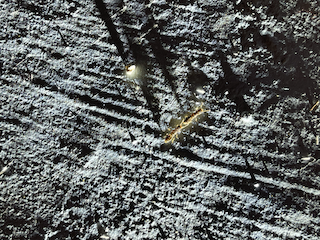
Ants found at Home inspection Carpenter ants are a ant that can be found throughout North America. They are known to burrow into wood and create nest galleries, cause structural damage to homes and other buildings.

Identify

Carpenter ants identified by their large size (they can range from 1/4 inch to 1 inch in length), as well as their black or reddish-brown coloration. They’re active during the spring and summer months, and can often seen foraging for food in and around homes.

There are several steps that homeowners can take to prevent carpenter ant infestations. First, it’s important to identify moisture problems in and around the home, as carpenter ants are attracted to damp or rotting wood. Fixing leaks and dry rot issues can help reduce the likelihood of an infestation.

Get rid of Ants found at Home inspection

Additionally, homeowners should remove any standing water from around the home, as well as keeping firewood and other woodpiles at least 20 feet away from the house. Keeping trees and shrubs trimmed back from the house can also help prevent carpenter ants from gaining entry.

In addition carpenter ant infestation is suspected, it’s important to call in a professional pest control company to perform an inspection. Carpenter ants can be difficult to eliminate, as they often have multiple nesting sites and can be resistant to some types of pesticides.

The pest control company may use a combination of baits, insecticides, and physical controls. (such as sealing up cracks and crevices) to eliminate the infestation. It’s important to follow the pest control technician’s. Recommendations for ongoing monitoring and prevention, to ensure that the carpenter ants don’t return.

Conclusion

In conclusion, carpenter ants can be a serious threat to the structural integrity of homes and other buildings. Homeowners can take steps to prevent infestations, such as addressing moisture problems and keeping woodpiles away from the house. If infestation suspected, it’s important to call in a professional pest control company to eliminate the problem. By taking these precautions, homeowners can protect their investment and ensure the safety of their home.
Need a Wood destroying pest and insects FHA & VA

Written By: claytonhome - May• 06•23

An important aspect of buying a home is ensuring that it is free from damage or infestation of wood destroying pests such as termites, and this is where FHA & VA come into the picture. Need a Wood destroying pest and insects FHA & VA

Need a Wood destroying pest and insects FHA & VA

Wood destroying pest and insects FHA & VA

FHA (Federal Housing Administration) and VA (Department of Veterans Affairs) require a thorough termite inspection as part of their home appraisal process. This inspection FHA and VA wood destroying pests is designed to identify any signs of termite or other pest activity, as well as any damage caused by these pests. The purpose of this requirement is to protect the buyer from purchasing a home that may have significant hidden damage and to ensure that the overall value of the property is maintained.

During the inspection, a licensed professional will conduct a visual examination of the property, looking for any evidence of pest activity in and around the home. They will also check for any structural damage caused by these pests, such as damaged wood or weakened foundations. If any issues are found during the inspection. They must be addressed before the sale of the home can move forward.

Termites

It’s worth noting that FHA and VA differ slightly when it comes to their requirements for termite inspections. FHA requires a termite inspection to be completed on all homes in certain regions of the country known to have high termite activity, while VA requires an inspection on all homes, regardless of their location.

Termites swarming in a basement

Additionally, while FHA only requires the inspection if evidence of termites is found during the initial appraisal process. VA mandates that the inspection must be completed prior to closing. Regardless of whether or not evidence of pest activity was found during the appraisal.

Conclusions

In conclusion, FHA and VA’s requirement for wood destroying termite inspections is a critical step in the home buying process. By identifying any signs of pest activity and addressing damage caused by pests. Buyers can protect their investment in the property. It’s important to work with licensed professionals to get a thorough and accurate inspection. Take any necessary steps to address any issues that may arise. With these precautions in place, home buyers can enjoy peace of mind and confidence in their purchase.

How to service a Heat pump

Written By: claytonhome - Apr• 25•23

How to service a Heat pump? Heat pumps are an excellent way to improve your home’s energy efficiency, but like any heating or cooling system, they require regular maintenance to keep them running smoothly. Regular maintenance will not only keep your heat pump running at peak efficiency, but it can also extend its lifespan and reduce the likelihood of costly repairs.

How to Service a Heat Pump

Here are some tips for servicing your heat pump:

1. How to service a Heat pump? Clean or Replace the Air Filter

The air filter is responsible for trapping dust, dirt, and other debris that could damage the heat pump’s internal components. Most heat pumps have a washable or disposable air filter that should be cleaned or replaced every six months.

Keeping the air filter clean will not only improve your heat pump’s energy efficiency, but it can also help improve your indoor air quality.

2. Check the Thermostat

Your heat pump relies on an accurate thermostat to measure the temperature of your home and turn on or off as needed. If your thermostat is not functioning properly, it could cause your heat pump to run unnecessarily or shut off too soon.

Check the thermostat regularly to ensure it is accurately sensing the temperature and set to the appropriate settings.

3. Inspect the Outdoor Unit

The outdoor unit is where the heat pump transfers heat to or from your home’s interior. During the winter months, it is not uncommon for snow, ice, or debris to collect around the outdoor unit, potentially causing damage or reducing its efficiency. Check the outdoor unit regularly to ensure it is free from debris and clear any snow or ice that may have accumulated.

4. How to service a Heat pump? Schedule a Professional Maintenance Visit

How to service a Heat pump? While you can perform some basic maintenance on your heat pump, it is recommended that you schedule a professional maintenance visit at least once a year.

A professional technician can also perform a thorough inspection of your heat pump, identify any potential issues, and make any necessary repairs or adjustments. They can also clean and lubricate your heat pump’s internal components, ensuring it runs smoothly throughout the year.

By following these tips, you can keep your heat pump running at peak efficiency and avoid costly repairs down the road. Remember, regular maintenance is the key to a long-lasting and efficient heat pump.

Why do Hot water heaters need safety relief valves

Written By: claytonhome - Apr• 20•23

Hot water heater relief valve or T&P relief valves and the yellow warning tags on relief valves are both important components in ensuring the safe operation of your hot water system.

Hot water heater relief valve

Hot water heater relief valve

A T&P water heater relief valve is a safety device designed to prevent excess pressure or temperature buildup in your water heater. It works by releasing water if the pressure or temperature becomes too high, preventing a catastrophic failure of the tank. Without this valve, your hot water heater could explode or cause significant damage to your home.

Test relief valve?

It’s important to note that T&P relief valves aren’t foolproof, and they can fail over time. That’s why it’s essential to test them periodically to ensure they’re working correctly.Testing the valve can unintentionally cause failure and leaking to the valve and scolding. If you’re not comfortable doing this yourself, a licensed plumber can perform the test for you.

Yellow tag on relief valve

The yellow warning tag on the relief valve is also essential. It provides critical information about the valve. Including the make and model, the maximum pressure and temperature it can handle, and the replacement schedule. The tag also instructs you not to tamper with the valve or use it as a shut-off valve. Doing so could compromise its ability to perform its safety function.

Water heater relief valve signs

If you notice any signs of problems with your T&P relief valve, such as constant leaking or water discharge, it’s crucial to take action immediately. Ignoring the problem could lead to a dangerous situation, such as scalding hot water or a ruptured tank.

Conclusions

To sum up, hot water heater T&P relief valves. Also the yellow warning tags on relief valves are crucial components in ensuring the safe operation of your hot water system. Make sure to test your valve periodically. Heed the instructions on the yellow tag, and take prompt action if you notice any problems. By staying aware and vigilant, you can keep your family and home safe from hot water heater disasters.

What Buyers Don’t Know Home Inspection And A Home Appraisal

Written By: claytonhome - Apr• 15•23

A home inspection and a home appraisal are two different services that are commonly used in real estate transactions. What Buyers Don’t Know Home Inspection And A Home Appraisal Both of these services have different purposes and are conducted by different professionals.

Home Inspection

Buyers don’t know Home Inspection

A home inspection is a service that is conducted by a professional home inspector. The purpose of a home inspection is to evaluate the condition of a home. Identify any potential problems, and help the buyer make an informed decision when purchasing the property. This service can save you lots of money and help protect you and your family from potential safety hazards.

During a home inspection, the inspector will conduct a thorough examination of the home’s systems. Including the electrical, plumbing, HVAC, and roofing systems.

They will also inspect the home’s foundation, structure, walls, windows, and doors. The inspector will typically provide a detailed report that highlights any issues found during the inspection.

Home Appraisal

On the other hand, a home appraisal is a service that is conducted by a professional appraiser. The purpose of a home appraisal is to determine the fair market value of a home.

The appraiser will evaluate the home’s size, location, condition, and other factors to determine its value. Appraisals are typically required by lenders to ensure that they are lending an appropriate amount for the property.

Difference between a home inspector and a home appraisal

What Buyers Don’t Know Home Inspection And A Home Appraisal, One key difference between a home inspection and a home appraisal is their focus. While a home inspector focuses on the condition of the home, a home appraisal focuses on its value.

Another key difference is the professional who conducts each service. A home inspection is conducted by a home inspector, while a home appraisal is conducted by an appraiser.

In summary

In summary, a home inspection is a service that is conducted to evaluate the condition of a home, while a home appraisal is conducted to determine the fair market value of a home. Both of these services are important in real estate transactions and can help buyers make informed decisions when purchasing a property.

Most significant investment of your life

Written By: claytonhome - Apr• 04•23

When it comes to making one of the most significant investment of your life, a home inspection should never be overlooked. Though the process often gets overlooked, a home inspection could mean the difference between the home of your dreams and a home that comes with costly repairs and problems. Here’s 30 reasons it’s important to always get a home inspection:

significant investment of your life
  1. Most buyer’s lenders require a home inspection before closing.
  2. An inspection can reveal structural weak points in the home before they become an issue.
  3. A good engineer will notice any changes in slant and slope on floors, which could indicate the foundation of the house is at risk.
  4. Our home experts will survey the exterior of the home to make sure there isn’t any existing or potential water damage.
  5. Home Inspections will also ensure compliance with all applicable fire safety codes.
  6. If the home is located in a flood zone, our experts will check for potential leaks and other flooding damages.
  7. A home inspector will check for signs of structural damage or infestation from pests.
  8. We use a combination of microscopic analysis, technology, and visual inspections to identify potentially hazardous materials.
  9. Home experts will inspect any outdoor features such as fences, decks, and patios to ensure stability and safety.
  10. Any loose connections in the home’s electrical circuits highlighted.

10-20 Most significant investment of your life

  1. A professional inspector will evaluate the condition of the roof and its contents a significant investment of your life.
  2. The integrity of the windows and doors in the home evaluated.
  3. The proper functioning of heating and cooling systems checked.
  4. Our inspector will take a closer look at plumbing fixtures, pipes, and drains to make sure they’re functioning properly.
  5. An inspection should include a check of the attic and basement to identify any areas of concern.
  6. Your inspector will also check appliances such as the oven, refrigerator, dishwasher, and washer.
  7. Most inspections will provide you with information about any environmental health risks in the home.
  8. Any sign of mold or mildew noted.
  9. Your inspector will make sure that the home’s insulation is sufficient.
  10. Homebuyers made aware of potential problems down the road that may require repair or replacement.

20-30 Most significant investment of your life

  1. It’s also important to make sure there are no hidden costs in the purchase as well.
  2. An inspection also can identify any potential hazards not covered by a home insurance policy.
  3. Your inspector will evaluate the age and condition of any installed appliances.
  4. In addition an experienced home inspector will give the homebuyer a better sense of what works and what doesn’t.
  5. Buyers will be alerted to any potential safety or health risks that may exist.
  6. You might uncover a deficiency or two in the home that will require attention.
  7. Your inspector will identify energy inefficiencies that may be costing you money.
  8. In addition the inspector will check for any illegal additions to the property.
  9. You’ll also have peace of mind that there are no hidden structural issues in your new home.
  10. A qualified home inspection team provides the assurance that your money well spent.

In Conclusion

Making sure you have a quality inspection service on your side when it comes to buying a new home can save you time, money, and stress. We’ll make sure that all aspects of the home inspection process are carefully checked and you get the peace of mind you deserve. Let us be the ones who bring your dream home to life.

Fundamentals of Issues at Home Inspection

Written By: claytonhome - Mar• 25•23

Fundamentals of Issues a home inspection is an important step in the home buying process. It involves a professional inspector who evaluates a property’s condition and identifies any issues that may affect its livability, safety, or resale value. Here are ten major issues that are commonly found during a home inspection.

Fundamentals of Issues at Home Inspection

Fundamentals of Issues 1 through 10

1. Electrical problems: Electrical issues are a common problem found during home inspections. It could include outdated wiring, overloaded circuits, or faulty electrical panels that need to be replaced.

2. Plumbing issues: Leaks, blockages, and other plumbing problems are often found during a home inspection. These issues can cause significant damage and can be expensive to repair.

3. Roof problems: A damaged roof can cause water leaks and structural damage to a home. During an inspection, the roof will be examined for signs of wear and tear, leaks, and any other issues.

4. HVAC system problems: Heating and cooling systems are essential components of any home. During an inspection, the inspector will check the HVAC system’s condition and ensure that it is functioning properly.

Fundamentals of Issues

5. Mold and mildew: Moisture problems can lead to mold and mildew growth, which can cause health problems for residents. An inspector will look for signs of moisture and mold during a home inspection.

6. Foundation issues: A home’s foundation is essential for its overall stability. Any cracks, shifting, or other issues with the foundation can indicate serious problems with the property.

7. Pest infestations: Pests such as termites, rodents, and insects can damage a home’s structure and pose health risks to residents. Inspectors will look for signs of infestations during a home inspection.

8. Structural problems: Structural issues such as sagging floors, uneven walls, or cracks in the walls can indicate problems with a home’s foundation or framing. These issues may require costly repairs.

9. Safety hazards: Home inspections will identify potential safety hazards such as faulty wiring, loose stairs or railings, and other hazards that can cause accidents or injuries.

10. Environmental concerns: Environmental hazards such as radon, lead paint, and asbestos can pose serious health risks to residents. Inspectors will check for these hazards during a home inspection.

In conclusion, a home inspection is a critical step for any home buyer to take before making a purchase. With the help of a professional inspector, buyers can identify any issues that may affect the home’s safety, livability, or value. Addressing these issues can save buyers money and provide peace of mind knowing that their new home is sound and secure.

Fire & Knob and Tube wiring

Written By: claytonhome - Mar• 21•23
knob & tube
knob & tube wiring danger

Certainly! Knob and tube wiring danger also, know as K & T was commonly used in homes built between the 1880s and the 1930s.

It consists of two single-insulated copper wires held in place by porcelain knobs and tubes. Once the standard for electrical wiring, it is obsolete and is a hazard.

Knob & Tube wiring danger

One of the main issues with Knob and Tube of wiring is that it does not have a ground wire. There is no protection from electrical shocks, is dangerous, especially in older homes where the wiring degraded or poorly maintained or insulated.

Another problem with the wiring is that it can easily become damaged over time. The wires are exposed and in contact with insulation or other materials, can result in arc or fires.

Knob & Tube wiring fire risk

K & T wiring was never meant to be in direct contact with Insulation, and poses a potential risk of fire due to the heating of the wires.

Dangerous wiring and insurance

It is also worth noting that insurance companies may refuse to insure homes with K & T wiring or charge higher rates due to the potential fire hazard. A home inspection or an electric inspection can discover this type of wiring. In cases, insurers can require that the wiring replacement before providing coverage.

Wiring recommend replacement

For these reasons, it is often recommended that knob & tube wiring be replaced with modern electrical systems. This can be a costly undertaking, but it is essential for the safety of the home and its inhabitants. Best value for the money there are Grants upto $5000 to help you replace the existing wiring to get your home insulated from Massachusetts Department of Energy Resources

Homeowners who are considering purchasing an older home should get the wiring inspected by a Home Inspector and then a licensed electrician to ensure that it is safe and up to code.

Conclusion

In conclusion, while K & T wiring was once a common and best reliable method of electrical wiring. Now considered outdated and potentially dangerous. Homeowners should be aware of the risks with this type of wiring. Take appropriate action to ensure the safety of their homes and families.

Buying a Better home in Ma

Written By: claytonhome - Mar• 12•23

Buying a better home in Massachusetts & qualified licensed Home Inspector

buying a home and Importance of getting a qualified licensed Home Inspector

Are you thinking of buying a home? Congratulations! Owning your own property is a great feeling. With any big purchase, it is important to do your research and ensure your new home is a good investment. One of the most important steps in this process is hiring a qualified licensed home inspector.

DYI Home Inspector

Home inspecting is no DIY project. The inspector’s job is to assess and comment on any existing or potential issues the home may have, and to uncover any hidden problems. A qualified inspector can detect potential problems that inexperienced “eye-ballers” may miss, such as plumbing, electrical, and structural composites and insulation. The inspector will also be able to identify issues that can cost you more money in the future, and make sure your new home is safe and up to date.

The Importance of a Qualified Home Inspector and Buying a Better home

A qualified licensed home inspector is not only knowledgeable, but also impartial. Home inspectors are obligated to report any discrepancies and problems with the house accurately and objectively, allowing you to make an informed decision when it comes to the purchase.

Skipping the home inspection

Buying a home is one of the biggest commitments in life. Skipping a home inspection can be a costly mistake, as you may find yourself dealing with expensive repairs and safety concerns after you move in. It is essential to take every precaution to ensure that your new home is a good investment and is free of any issues. Hiring a qualified licensed home inspector is the best way to make sure that your largest purchase is a success.

Buying a Better home Undergoing a home inspection

We understand that undergoing a home inspection can be time consuming and expensive, but skipping this vital step could be a bad decision in the long-run. Home inspections help provide you with an objective understanding of the condition of a home before purchase, alerting you to any major issues that could be costly to repair. If you neglect to get a professional inspection, you may end up with a home that needs costly repairs and significant maintenance.

Professional Home Inspection

Taking the time to get a professional home inspection is worth the effort and costs. It can give you peace of mind, by knowing what kind of condition you can expect from the property and equipment inside. When you are investing in real estate. It is always worthwhile to know what is going on behind the walls and beneath the surface of the home.

It’s understandable that you may be tempted to skip the home inspection, but it is in your best interest to go through this important step. Home inspections should not be viewed as an inconvenience, but rather as an essential piece of protecting your real estate investment.

Energy Audit

Written By: claytonhome - Feb• 27•23
Energy Audit
Home Energy Audit

Energy Audit

MassSave, an initiative of Massachusetts state utilities and energy efficiency service providers, provides a Home Energy Audit Assessments to help homeowners identify where they can save money in their homes.

These assessments involve a detailed inspection of the home’s insulation, air sealing, ventilation, and fuel usage (heating/cooling) to create a customized list of recommended energy efficiency measures.

Along with the inspection, homeowners typically receive free LED bulbs, a programmable thermostat, and additional advice on how to make their homes more energy-efficient.

Energy audit is a great way for households and businesses to save money by identifying potential areas of energy waste and inefficiency.

One comprehensive energy audits available to Massachusetts residents is MassSave, supported by MassCEC and includes a range of energy efficiency measures in different parts of the state.

MassSave provides homeowners and businesses with a comprehensive assessment of their energy use and tips for maximizing energy efficiency. A trained Energy Auditor visits the home or business. The Audit collects data on energy use through a variety of diagnostic methods and technologies.

Also this data is used to identify any areas of inefficient energy use, such as excess ventilation or lighting. The evaluator also identifies potential financial incentives. Rebates from utility companies and other sources that can help defray the cost of making efficiency improvements.

Once the evaluation is complete, The Energy Auditor will make recommendations for improving energy efficiency. These can include installing insulation and weather-stripping, adding energy-efficient lighting and appliances, and scheduling regular HVAC maintenance.

The auditor also gives information on MassSave-approved contractors, who can provide installation services for efficiency measures. 

In addition The MassSave program is funded through the Massachusetts Clean Energy Center, and all services free of charge. The program also has other initiatives, such as no-cost services that help Massachusetts residents. Reduce their carbon footprint and make their homes and businesses more environmentally friendly.

In summary, MassSave www.masssave.gov is an excellent resource. Massachusetts residents looking to reduce their energy use and save money on their energy bills.

The program’s comprehensive evaluation processes identify potential areas of efficiency and make recommendations for improvements. MassSave also provides access to financial incentives and contractors to help defray the cost of making energy efficiency improvements.

All of these benefits make MassSave a great resource for anyone looking to reduce their energy usage and costs.

Verified by MonsterInsights