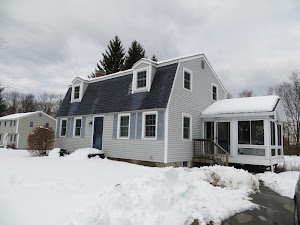
What Does a Home Inspector Look For in a 100-Year-Old New England House? Buying or maintaining a 100-year-old New England home is both exciting and challenging. These historic properties hold charm, craftsmanship, and character—but they also hide potential issues beneath their beauty. A professional home inspection is essential to uncover what time may have concealed.

What Does a Home Inspector Look For in a 100-Year-Old New England House?
1. Home Inspector Look at Foundation and Structural Integrity
Home Inspectors begin to look by examining the foundation for cracks, settling, or moisture intrusion. Many older New England homes were built on stone or fieldstone foundations, which can deteriorate over time. Shifting soil and freeze-thaw cycles often cause uneven floors or wall cracks. A detailed structural inspection ensures the house remains safe and stable.
Learn more about foundation issues in historic homes
2. Home Inspector Look at Roof and Drainage Systems
Aging roofs are common in century-old houses. Home Inspectors check for missing shingles, leaks, and inadequate flashing. Gutters and downspouts are also reviewed to ensure proper drainage. Poor drainage can lead to basement flooding and wood rot.
Roof maintenance tips for older homes
3. Home Inspector Looks at Electrical and Plumbing Systems
Many older homes still have knob-and-tube wiring or galvanized plumbing, Home Inspector Look for both of which pose safety and efficiency concerns. Inspectors test outlets, check grounding, and assess whether the electrical panel meets modern standards. Plumbing is also evaluated for corrosion, leaks, and lead content.
Understanding old wiring systems
4. Home Inspector Look For Heating, Insulation, and Energy Efficiency
Also Home Inspectors Look at Historic homes often lack adequate insulation or rely on outdated heating systems. Inspectors also assess furnace age, ductwork condition, and insulation levels in walls and attics. Improving energy efficiency without compromising historical integrity is a key focus.
Energy upgrades for historic homes
5. Home Inspector Look For Moisture, Mold, and Pest Damage
Moisture is a major threat in New England’s humid climate. Home Inspectors look for mold, wood rot, and insect damage, especially from termites and carpenter ants. In addition Proper ventilation and waterproofing are crucial to preserving the home’s longevity.
Preventing moisture problems in old houses
6. What Does a Home Inspector Look For in a 100-Year-Old New England House?Windows, Doors, and Exterior Materials
Home Inspectors evaluate window seals, door frames, and siding for drafts or decay. In addition Many quality older homes feature original woodwork that requires careful maintenance. Preserving these elements enhances both efficiency and historical value.
Maintaining wooden windows
In addition A thorough inspection of a 100-year-old New England house safeguards your investment and preserves its timeless charm. With expert insight, you can also restore and enjoy your historic home for generations to come.