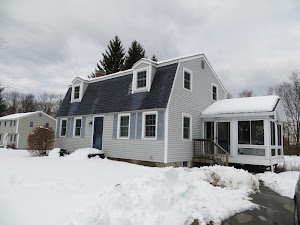
Inherited Homes & Heir-Property: What you need to know. The home renovation market is also evolving quickly amid economic shifts, technology advances, and lifestyle changes. A century‑old New England home offers charm, craftsmanship, and history; although, it also demands a careful evaluation. This guide explains what an inspector will examine and how buyers can gain confidence.
What Does a Home Inspector Look For in a 100-Year-Old New England House?
Structural Integrity Comes First
Home inspectors will begin by examining the foundation and also framing of the house.
Stone and brick foundations can often show mortar deterioration. Uneven floors may indicate settling or past movement.
Inspectors will check beams for rot or insect damage, Hand‑hewn timbers often remain strong but need verification. Structural soundness protects long‑term property value.
Learn more about historic foundations here: https://www.nps.gov/subjects/tps/
Roofing and Exterior Protection
The exterior of the house also shields the home from harsh the New England weather.
Inspectors will in addition evaluate the roof’s age, materials, and flashing; slate and wood shingles require specialized assessment.
The condition of the siding on the house can also reveal possible water intrusion risks.
Original clapboards can hide moisture damage, and along with paint failure often signals deeper issues.
Exterior drainage also matters greatly.
Electrical Systems and Fire Safety
Electrical systems are crucial inspection points, many older homes contain knob‑and‑tube wiring, which are no longer compliant with safety code.
Inspectors will check panel capacity and grounding.
Outdated systems will also limit appliance use and can overload circuits which can lead to increase fire risk.
Electrical safety guidance appears here: https://www.cpsc.gov/
Plumbing and Hidden Leaks
What does a home inspector look for in a 100-year-old New England house plumbing system?
Inspectors will identify galvanized or lead pipes, these materials can corrode and restrict water flow.
Hidden leaks can silently damage framing and also water stains often reveal long‑term problems.
Modernized plumbing is one way homeowners can add immediate value.
EPA plumbing information is available at https://www.epa.gov/
Heating, Insulation, and Energy Efficiency
Heating systems can reveal a home’s efficiency profile.
Older boilers can still operate reliably, although, it is important for inspectors to check safety, venting, and maintenance history.
Insulation is commonly minimal in century homes which can lead to heat loss and significant increased energy expenses. An inspector will note possible air sealing opportunities.
Energy upgrade insights appear at https://www.energy.gov/save
Environmental and Material Concerns
Inspectors search for asbestos and lead paint, which are common in older homes.
Proper management and removal can reduces and prevent health risks.
Basements are also checked for mold and moisture, as damp environments can accelerate material decay.
CDC housing safety resources are found here: https://www.cdc.gov/
Final Thoughts for Buyers Inherited Homes & Heir-Property: What you need to know.
What does a home inspector look for in a 100-year-old New England house overall?
They assess safety, durability, and future investment needs.
An inspection on a historic home will reward the buyer with the proper information in order
A thorough inspection preserves both charm and confidence.