Clayton Home Inspection

Boston Home Inspection – Licensed MA Home Inspector 978-793-1346

How much can you save by insulating your home now

Written By: claytonhome - Dec• 21•24
How Much Can You Save by Insulating Your Home Now

How Much Can You Save by Insulating Your Home Now?

Insulating your home is a smart and practical investment. How Much Can You Save by Insulating Your Home Now. It not only enhances comfort but also reduces energy costs. Many homeowners overlook the importance of proper insulation. Yet, the savings achieved from insulation can be significant.

First, let’s consider energy costs. An insulated home maintains a more consistent temperature throughout the year. This means your heating and cooling systems work less. As a result, you consume less energy, leading to lower utility bills. Research suggests that homeowners can save up to 20% on energy costs with adequate insulation.

The type of insulation you choose also impacts savings. Options include fiberglass, foam, and cellulose. Each type offers different R-values, which show insulating effectiveness.How Much Can You Save by Insulating Your Home Now. Higher R-values offer better resistance to heat flow. This translates to even greater savings on energy bills.

Additionally, insulating your home can increase its overall value. Energy efficiency is a key selling point for prospective buyers. Homes with good insulation often sell faster and at a premium price. An investment in insulation improves your home’s marketability in the long run.

Consider the seasonal impact of insulation too. In colder months, you’ll rely less on heating systems. Similarly, in warmer months, air conditioning won’t have to work as hard. This dual advantage maximizes your annual savings, making insulation a year-round advantage.

How Much Can You Save by Insulating Your Home Now?

Furthermore, government incentives are often available for energy-efficient home improvements. Many states offer tax credits or rebates for insulation upgrades. How Much Can You Save by Insulating Your Home Now. Research your local programs to see how much you can save upfront. These financial incentives make insulating your home even more affordable.

When calculating potential savings, consider performing an energy audit. Professionals can evaluate your home’s current insulation levels. Also They’ll offer recommendations to enhance efficiency. You discover that simple upgrades lead to significant savings.

Don’t forget about environmental benefits. Reducing energy consumption also lowers your carbon footprint. Insulation contributes to a more sustainable future. Homeowners play a vital role in this effort.

In summary, insulating your home can lead to significant savings. With energy bills reduced by up to 20%, the benefits are clear. Increased property value and potential financial incentives add to the appeal. By investing in insulation now, you not only improve comfort but also save money in the long run. Take the first step towards a more energy-efficient home today!

Get things done now to your home before winter

Written By: claytonhome - Oct• 22•24
Get things done now to your home before winter

Get things done now to your home before winter

Get things done now to your home before winter. As the days grow shorter and the temperatures begin to drop. Now is the ideal time to prepare your home for the winter months. Recommend call Massive for a free energy audit appointment ASAP.

Hire a home inspector for a maintenance inspection. This will provide you with valuable information. It will also help create a priority list. Taking a proactive approach can save you time, money, and stress during the colder season. Here’s a guide on essential tasks to complete before winter arrives.

  1. Inspect Your Heating System: Before the chill sets in, ensure your heating system is operational and efficient. Schedule a professional maintenance check to clean and inspect your furnace. Replace filters and consider upgrading to a programmable thermostat for better control and energy savings.
  2. Seal Drafts and Insulate: Cold air can seep in through windows and doors, increasing heating costs. Check for drafts and use weather stripping to seal gaps. Adding insulation to attics and basements can also keep your home warmer and more energy-efficient. Don’t forget to insulate water pipes to prevent freezing!
  3. Clean Gutters and Downspouts: Collecting debris can lead to water damage as snow and ice accumulate. Clear leaves and dirt from gutters and downspouts to ensure proper drainage. This simple task helps prevent ice dams, which can cause leaks and structural issues.
  4. Service Your Fireplace and Chimney: If you have a wood-burning fireplace, have it inspected and cleaned. A professional cleaning removes creosote buildup, which poses a fire risk. Ensure the chimney cap is intact to keep out critters and debris.
  5. Winterize Outdoor Spaces: Protect outdoor furniture and equipment from the elements. Store items indoors or cover them with weather-resistant tarps. Drain and store hoses, and consider winterizing your irrigation system to avoid damage from freezing temperatures.
  6. Check Smoke and Carbon Monoxide Detectors: With greater heating use comes the need for safety checks. Replace batteries in smoke detectors and test carbon monoxide detectors. These simple checks ensure your home remains safe during the winter months.
  7. Prepare for Snow: If you live in an area prone to snowfall, consider purchasing a snow shovel or snowblower. Stock up on ice melt or sand to make your pathways safe for family and visitors.

Get things done now to your home before winter

In summary, taking these proactive measures can help ensure your home remains warm, safe, and efficient during the winter season. Start these tasks now to avoid the rush. Enjoy a cozy winter by preparing your home well for whatever Mother Nature brings. Don’t wait until the first snowfall—start your winter prep today!

How to avoid problems with your homes heating system

Written By: claytonhome - Oct• 14•24

As the seasons change and colder months approach, ensuring your home’s heating system operates efficiently becomes a priority. How to avoid problems with your homes heating system. A well-functioning heating system not only guarantees warmth and comfort but also helps prevent costly repairs and energy wastage. Here are several proactive measures you can take to avoid problems with your home’s heating system.

How to Avoid Problems with Your Home's Heating System

How to Avoid Problems with Your Home’s Heating System

1. Regular Maintenance Is Key

In addition Like any other appliance, your heating system requires regular maintenance. Consider scheduling annual inspections with a professional HVAC technician. During these check-ups, the technician can clean, tune, and diagnose potential issues before they escalate. This preventative care can extend the lifespan of your system and improve its efficiency.

2. Change Filters Regularly

Also One of the simplest yet most effective ways to maintain your heating system is to change the air filters regularly. In addition Clogged filters can restrict airflow, causing your heating system to work harder and potentially leading to breakdowns. Check your filters monthly and replace them every 1-3 months, depending on usage and the type of filter.

3. Seal Ducts and Insulate

Leaky ductwork can lead to significant heat loss, making your system work harder than necessary. Inspecting your ducts for leaks and sealing them can improve energy efficiency and reduce heating costs. Additionally, ensure your home is well-insulated, especially in attics and crawl spaces, to keep the warmth from escaping.

How to Avoid Problems with Your Home’s Heating System

4. Monitor the Thermostat

Modern thermostats offer varying levels of control over your heating system. Invest in a programmable thermostat that allows for temperature adjustments based on your schedule. This not only enhances comfort but can also avoid unnecessary strain on your heating system, reducing the risk of malfunction.

5. Be Mindful of Unusual Noises and Smells

How to avoid problems with your homes heating system, Pay attention to any strange noises or odors that may emanate from your heating system. Sounds like grinding, banging, or hissing can indicate mechanical issues, while unusual smells, especially burning odors, may signal serious problems. If you notice anything amiss, contact a professional immediately to diagnose and rectify the issue.

6. Avoid Overworking Your System

When temperatures plummet, it may be tempting to raise the thermostat drastically. However, doing so can overload your heating system. Instead, aim to maintain a comfortable yet reasonable temperature and dress warmly indoors when needed.

In conclusion, by implementing these simple strategies, you can significantly reduce the likelihood of experiencing problems with your heating system. Regular maintenance, vigilant monitoring, and making informed adjustments can not only ensure a cozy home but also save money in the long run.

How to check your home for potential issues and problems

Written By: claytonhome - Sep• 09•24
How to check your home for potential issues and problems

How to check your home for potential issues and problems. Checking your home for potential issues is a smart way to maintain its value and ensure safety. Here’s a checklist to help you identify common problems:

Interior Inspection

  1. Walls and Ceilings:
  • Look for cracks, stains, or signs of water damage.
  • Check for peeling paint or wallpaper.
  1. Floors:
  • Inspect for uneven or sloping surfaces.
  • Look for squeaks or loose tiles.
  1. Windows and Doors:
  • Ensure they open and close properly.
  • Check for drafts, moisture condensation, or rot around frames.
  1. Plumbing:
  • Inspect pipes for leaks, especially under sinks and in the basement.
  • Check water pressure and look for signs of water damage or mold.
  1. Electrical:
  • Test outlets and switches to ensure they work.
  • Check for flickering lights or tripped breakers.
  1. Heating and Cooling Systems:
  • Inspect filters, ducts, and vents for dust buildup.
  • Schedule regular maintenance for HVAC systems.

How to check your home for potential issues and problems

Exterior Inspection

  1. Roofs:
  • Look for missing shingles, sagging areas, or discoloration.
  • Check for signs of moss or algae growth.
  1. Gutters and Downspouts:
  • Ensure they are clear of debris to allow proper drainage.
  • Check for rust or water damage.
  1. Foundation:
  • Look for cracks or shifting in the foundation walls.
  • Check for signs of water pooling around the base of the home.
  1. Siding and Trim:
  • Inspect for damage, rot, or pests (e.g., termites).
  • Check that paint is intact and not peeling.
  1. Yard Drainage:
  • Ensure that water drains away from the house.
  • Look for puddling or erosion in the yard.

How to check your home for potential issues and problems

Additional Steps

  • Change Air Filters: Regularly check and replace air filters in HVAC systems.
  • Schedule a Professional Inspection: Consider having a professional home inspector evaluate your home, especially if it’s been a while since your last check or if you’re planning to sell.
  • Document Findings: Keep a record of any issues you find and prioritize repairs based on urgency and budget.

Taking these steps can help you maintain your home and catch problems before they escalate. If you have specific areas of concern or need more detailed advice, feel free to ask!

Great little things that make a home safer

Written By: claytonhome - Jun• 03•24
Great little things that make a home safer

Making your home a safe haven for you and your loved ones is a top priority. While major security systems and precautions play a vital role in ensuring the safety of your home. It’s often the small, overlooked details that can make a big difference. Here are some great little things that can make your home safer:

  1. Outdoor Lighting: Installing motion sensor lights around the perimeter of your home can deter intruders and help you navigate safely in the dark. A well-lit exterior can also prevent trips and falls, reducing the risk of accidents.
  2. Secure Windows and Doors: Simple additions like window locks, deadbolts, and door reinforcements can significantly enhance the security of your home. Make sure all entry points are sturdy and properly secured to keep unwanted visitors out.
  3. Smoke and Carbon Monoxide Detectors: These small devices can save lives in the event of a fire or carbon monoxide leak. Make sure to test them regularly and replace the batteries as needed to ensure they are functioning properly.
  4. First Aid Kit: Accidents happen, so it’s important to have a well-stocked first aid kit on hand. Make sure it includes essentials like bandages, antiseptic wipes, and basic medical supplies to handle minor injuries.
  5. Secure Furniture and Electronics: Anchoring bookshelves, TVs, and other heavy furniture to the wall can prevent them from toppling over and causing injuries. Especially in homes with young children or pets.
  6. Non-Slip Mats and Grab Bars: In the bathroom, non-slip mats in the tub and shower, as well as grab bars near the toilet and bath, can help prevent falls and provide stability for those with limited mobility.
  7. Fire Extinguisher: Every home should have at least one fire extinguisher easily accessible in case of a small fire emergency. Be sure to familiarize yourself with its proper use and keep it in good working condition.
  8. Secure Medications: Keep medications out of reach of children and pets by storing them in a locked medicine cabinet or drawer. This simple precaution can prevent accidental ingestion and poisoning.
  9. Emergency Contact List: Create a list of emergency contacts, including local police, fire department, poison control, and family members. Keep this list in a visible and easily accessible place for quick reference during emergencies.
  10. Regular Home Maintenance: Stay on top of home maintenance tasks like repairing loose floorboards. Fixing leaky faucets, and addressing any potential safety hazards promptly. A well-maintained home is a safer home.

In conclusion, by incorporating these great little things into your home. You can create a safer and more secure environment for you and your family. Remember, small steps can lead to significant improvements in home safety. Stay vigilant, stay prepared, and prioritize safety in every corner of your home.

Ice Dam

Written By: claytonhome - Jan• 07•23

Ice Dam evaluation by a home inspector

This is the time of year when a Home Inspector looks for ice dam, roof leaks. If you also are buying a home and see Large chunks of ice buildup at the roof. This type in the below image of ice buildup at this time of year. In addition you need a thorough inspection of the exterior and interior ceilings and walls, windows and attic space of the house.

Home inspection
Ice buildup on a roof that can promote ice dams

      In addition The home inspector looks at the home from the outside from the surface of the roof to the trim and siding. Also Looking for signs of lifting shingles for flashing, water stains for The exterior trim and siding. Interior as expected from the attic space unfinished areas. Looking for water stains in the eve, valleys, sidewalls, attic slopes, and flashing areas.

Ice dam example from a Home Inspector

        The Interior attic space and interior rooms at a home inspection inspected by inspecting the outer walls, ceilings, Windows, floors, trim for stains. The basement inspected to the perimeter walls and ceilings unfinished sills the rim joists and the foundation is inspected . The water stains in those areas that might be the result of prior water staining.  These common home inspection procedures performed but, do not represent all of the potential ways that water can penetrate your home due to ice damming.

Ice Damming Prevention

Ice dams can be reduced or even prevented during Insulation installation and or roof installation using a quality ice and water barrier. Installation is important in areas of whole roof including valleys, adjoining sidewalls and even behind the facial board.

Ice & water shield

Ice dam no signs

This house showed no signs of ice damming at the time of the inspection. The house walls, interior slopes insulated with snow on the roof. No icicles at the roof at the inspection. Although this house show now evidence of ice dams that does mean it won’t see signs inside or the attic.

Ice dam Home Inspections

Water heater inspection

Written By: claytonhome - Aug• 27•22

Water heater inspection is one of the most important things you can do to prevent water damage to your home. Check the date on the water heater to see if the water heater is older than 10 years old. The location of the date located on a tag attached to the water heater near the serial numbers. Some hot water heaters the date is located within the serial number. When inspecting the hot water heater to outside. Look for any water stains to the exterior of the tank relief valve, tube. Also look over any and all pipes connections for signs of sediment or leaking.

Common water heater
Common water heater

Water heater inspection and types of hot water heaters

The most common type of hot water heater is a I storage tank where the atmospheric venting into a chimney. If you find that you have tempered or lukewarm hot water.

Draining sediment buildup to base of water heater inspection
Draining sediment buildup to base of water heater

I would recommend flushing the hot water heater at the base of the hot water heater. By attaching a hose to the drain connection. Also draining the hot water heater and the mineral deposits that accumulate at the bottom of the hot water heater. This drastically improves the temperature of the hot water at the tap.

The next type of hot water heater is a tankless hot water heater attached to a wall. This type of hot water heater is generally newer and venting out an exterior side wall with PVC type pipes.

Tankless on demand Hot water heater inspection
Tankless on demand Hot water heater

Tankless on demand hot water heater inspection

Another type of tankless hot water heater is connected to a boiler. This is located on the side with a round or rectangle cover plate. This type of hot water heater restricts the amount of hot water due to the nature of a tankless coil inside. Boilers overtime the coil breaks down and is no longer able to extract the temperature of the boil water due to mineral buildup or breakdown or failure of the coil.

Tankless  off boiler
Tankless water heater off boiler inspection

https://www.homeinspector.org/HomeInspectors/Find/Details/17648BA/Maynard/MA/Clayton-Home-Inspection-Inc

Tree Near House

Written By: claytonhome - Jun• 03•21

Removal of widow maker tree near house

Dead tree
widow maker tree

In addition removal of dead tree near house is important to prevent damage to the house and a safety risk and prevent squirrel nest. This tree fell and got stuck between the old dead trunk and Oak tree known as a widow maker. This tree had squirrels nesting in the past.

This type of tree fallen is very dangerous when removing and cutting. The safest alternative is to get a crane and a professional company to come in to remove the tree. When I was young, I worked at a landscape tree company and worked trimming and cutting trees with chainsaws. 

Dangerous tree near house

Technically removal of the widow maker tree was beyond my scope of expertise. I was willing to take the challenge. My wife said, if I don’t get rid of the tree she’s going to call somebody and have it professionally removed costing thousands of dollars. 

Tree removal

 This was the incentive for me. chainsaw blade $20, Learning how to take the tree down safely was an education. Watching my wife watch me on the video cut down the tree priceless.

Cutting down the tree was not the hard part. The hard part was knowing how to cut and where to stand when I felt the tree was going to fall. 

I made multiple strategic cuts in areas of the tree so, the blade did not bind or kick back and I did not get crushed by the tree. These are just some of the small details that was going through my mind when cutting this type of fallen tree.

And I cut this tree into multiple sections and each section posed a more challenging and more dangerous scenario. 

The first cut dropped approximately 4 feet and got even more wedged into the ground. 

The second cut did the same thing but the tree was in a more standing position. 

The third and final cut was probably the most challenging. I had to use the chainsaw cutting at some point over my head in order to cut the trees. The whole rest of the tree would fall down on the ground.

Inherited Homes & Heir-Property: What you need to know.

Written By: claytonhome - Feb• 06•26
 A century‑old New England home offers charm, craftsmanship, and history; although, it also demands a careful evaluation.

Inherited Homes & Heir-Property: What you need to know. The home renovation market is also evolving quickly amid economic shifts, technology advances, and lifestyle changes. A century‑old New England home offers charm, craftsmanship, and history; although, it also demands a careful evaluation. This guide explains what an inspector will examine and how buyers can gain confidence.

What Does a Home Inspector Look For in a 100-Year-Old New England House?

Structural Integrity Comes First


Home inspectors will begin by examining the foundation and also framing of the house.
Stone and brick foundations can often show mortar deterioration. Uneven floors may indicate settling or past movement.

Inspectors will check beams for rot or insect damage, Hand‑hewn timbers often remain strong but need verification. Structural soundness protects long‑term property value.

Learn more about historic foundations here: https://www.nps.gov/subjects/tps/

Roofing and Exterior Protection

The exterior of the house also shields the home from harsh the New England weather.
Inspectors will in addition evaluate the roof’s age, materials, and flashing; slate and wood shingles require specialized assessment.

The condition of the siding on the house can also reveal possible water intrusion risks.
Original clapboards can hide moisture damage, and along with paint failure often signals deeper issues.

Exterior drainage also matters greatly.

Electrical Systems and Fire Safety

Electrical systems are crucial inspection points, many older homes contain knob‑and‑tube wiring, which are no longer compliant with safety code.

Inspectors will check panel capacity and grounding.
Outdated systems will also limit appliance use and can overload circuits which can lead to increase fire risk.

Electrical safety guidance appears here: https://www.cpsc.gov/

Plumbing and Hidden Leaks

What does a home inspector look for in a 100-year-old New England house plumbing system?
Inspectors will identify galvanized or lead pipes, these materials can corrode and restrict water flow.

Hidden leaks can silently damage framing and also water stains often reveal long‑term problems.
Modernized plumbing is one way homeowners can add immediate value.

EPA plumbing information is available at https://www.epa.gov/

Heating, Insulation, and Energy Efficiency

Heating systems can reveal a home’s efficiency profile.
Older boilers can still operate reliably, although, it is important for inspectors to check safety, venting, and maintenance history.

Insulation is commonly minimal in century homes which can lead to heat loss and significant increased energy expenses. An inspector will note possible air sealing opportunities.

Energy upgrade insights appear at https://www.energy.gov/save

Environmental and Material Concerns

Inspectors search for asbestos and lead paint, which are common in older homes.
Proper management and removal can reduces and prevent health risks.

Basements are also checked for mold and moisture, as damp environments can accelerate material decay.

CDC housing safety resources are found here: https://www.cdc.gov/

Final Thoughts for Buyers Inherited Homes & Heir-Property: What you need to know.

What does a home inspector look for in a 100-year-old New England house overall?
They assess safety, durability, and future investment needs.
An inspection on a historic home will reward the buyer with the proper information in order
A thorough inspection preserves both charm and confidence.

The Most Common Problems Found During a Home Inspection

Written By: claytonhome - Dec• 26•25

The Most Common Problems Found During a Home Inspection

The Most Common Problems Found During a Home Inspection

Buying a home is exciting — but it’s also stressful. The Most Common Problems Found During a Home Inspection A home inspection can reveal surprises that save you thousands later. Knowing the most common issues helps you prepare and protect your investment.


1. Roof Damage and Leaks Common Problems Found

The roof is your home’s first line of defense. Inspectors often find cracked shingles, leaks, or poor flashing. Roof issues can lead to costly water damage if ignored.
👉 Learn more at Zillow’s Home Inspection Guide.


2. Foundation Cracks and Structural Movement

Foundation problems are serious. Common Problems Found Cracks, settling, or uneven floors may signal shifting soil or moisture issues. Structural repairs are expensive, so early detection is crucial.
See Scott Home Inspection’s Foundation Tips.


3. HVAC System Failures

Heating and cooling systems often show their age during inspections. Common Problems Found During a Home Inspection Dirty filters, poor maintenance, or old units can reduce efficiency. A failing system can also impact indoor air quality.
Check HomeGauge’s HVAC Checklist.


4. Plumbing Leaks and Water Damage

Water problems are common and sneaky. Inspectors look for leaky faucets, corroded pipes, and low water pressure. Undetected leaks can cause mold and structural decay.
Review Zillow’s Plumbing Guide.


5. Electrical Safety Hazards

Outdated wiring, missing GFCI outlets, and overloaded circuits are frequent findings. Problems Found During a Home Inspection Electrical issues can lead to fire risks if ignored. Hire a licensed electrician for corrections.
Visit Zillow’s Electrical Inspection Tips.


6. Poor Insulation and Ventilation

In addition Attics and crawl spaces are often under-insulated. Poor airflow also causes moisture buildup and mold growth. Proper ventilation keeps your home dry and energy efficient.
See Scott Home Inspection’s Ventilation Advice.


7. Window and Door Defects Common Problems Found

Inspectors commonly note sticking windows, rotted frames, or failed seals. The Most Common Problems Found During a Home Inspection These issues affect energy efficiency and security. Replacing or sealing them saves on heating costs.
See Home Depot’s Home Inspection PDF.


Common Problems Found During a Home Inspection Protect Your Investment

A professional home inspection reveals hidden risks before they become expensive problems. Always choose a certified inspector who delivers a detailed report with photos.

If you’re in [Your City], schedule your next inspection with Clayton Home Inspections, Inc. — protecting homes one roof at a time.

What Does a Home Inspector Look For in a 100-Year-Old New England House?

Written By: claytonhome - Dec• 03•25

What Does a Home Inspector Look For in a 100-Year-Old New England House? Buying or maintaining a 100-year-old New England home is both exciting and challenging. These historic properties hold charm, craftsmanship, and character—but they also hide potential issues beneath their beauty. A professional home inspection is essential to uncover what time may have concealed.


What Does a Home Inspector Look For in a 100-Year-Old New England House?

What Does a Home Inspector Look For in a 100-Year-Old New England House?

1. Home Inspector Look at Foundation and Structural Integrity

Home Inspectors begin to look by examining the foundation for cracks, settling, or moisture intrusion. Many older New England homes were built on stone or fieldstone foundations, which can deteriorate over time. Shifting soil and freeze-thaw cycles often cause uneven floors or wall cracks. A detailed structural inspection ensures the house remains safe and stable.
Learn more about foundation issues in historic homes

2. Home Inspector Look at Roof and Drainage Systems

Aging roofs are common in century-old houses. Home Inspectors check for missing shingles, leaks, and inadequate flashing. Gutters and downspouts are also reviewed to ensure proper drainage. Poor drainage can lead to basement flooding and wood rot.
Roof maintenance tips for older homes

3. Home Inspector Looks at Electrical and Plumbing Systems

Many older homes still have knob-and-tube wiring or galvanized plumbing, Home Inspector Look for both of which pose safety and efficiency concerns. Inspectors test outlets, check grounding, and assess whether the electrical panel meets modern standards. Plumbing is also evaluated for corrosion, leaks, and lead content.
Understanding old wiring systems

4. Home Inspector Look For Heating, Insulation, and Energy Efficiency

Also Home Inspectors Look at Historic homes often lack adequate insulation or rely on outdated heating systems. Inspectors also assess furnace age, ductwork condition, and insulation levels in walls and attics. Improving energy efficiency without compromising historical integrity is a key focus.
Energy upgrades for historic homes

5. Home Inspector Look For Moisture, Mold, and Pest Damage

Moisture is a major threat in New England’s humid climate. Home Inspectors look for mold, wood rot, and insect damage, especially from termites and carpenter ants. In addition Proper ventilation and waterproofing are crucial to preserving the home’s longevity.
Preventing moisture problems in old houses

6. What Does a Home Inspector Look For in a 100-Year-Old New England House?Windows, Doors, and Exterior Materials

Home Inspectors evaluate window seals, door frames, and siding for drafts or decay. In addition Many quality older homes feature original woodwork that requires careful maintenance. Preserving these elements enhances both efficiency and historical value.
Maintaining wooden windows


In addition A thorough inspection of a 100-year-old New England house safeguards your investment and preserves its timeless charm. With expert insight, you can also restore and enjoy your historic home for generations to come.

What Massachusetts Buyers Need to Know About the New Home Inspection Law

Written By: claytonhome - Oct• 20•25

The Massachusetts home inspection process has always been vital. Now, new regulations strengthen consumer protection and transparency in real estate transactions.

What Massachusetts Buyers Need to Know About the New Home Inspection Law

Why the New Law Matters

The updated law aims to protect buyers from hidden property issues and ensure inspectors meet higher professional standards.
Home inspections are no longer optional formalities—they are essential safeguards.
Learn more about Massachusetts inspection standards from the Massachusetts Division of Professional Licensure.

Key Changes in the Law

The new legislation introduces stricter requirements for home inspectors.
Inspectors must now hold state-approved certifications and follow enhanced reporting guidelines.
Buyers must also receive a written disclosureoutlining the inspection’s scope and limitations.
Details of these requirements are available at the Massachusetts Office of Consumer Affairs.

How It Affects Homebuyers

Buyers now have greater access to inspection details before finalizing a purchase.
This transparency helps identify potential safety hazards, structural issues, or costly repairs early.
However, the law also places more responsibility on buyers to review and understand inspection reports thoroughly.
You can explore buyer rights under the new rules at Mass.gov’s Home Buying Guide.

The Role of Real Estate Agents

Real estate agents must now disclose inspection options clearly and avoid recommending unlicensed inspectors.
Agents who fail to comply risk penalties or license suspension.
Buyers should always verify an inspector’s credentials before scheduling any evaluation.
For professional verification, visit the Massachusetts Board of Registration of Home Inspectors.

Tips for Massachusetts Buyers

  • Always attend your home inspection in person.
  • Ask questions about every major system—roof, foundation, plumbing, and electrical.
  • Review the full inspection report before negotiating repairs or price adjustments.
  • Keep copies of all inspection documents for future reference.

Final Thoughts

The new Massachusetts home inspection law empowers buyers through transparency and accountability.
By understanding your rights and responsibilities, you can avoid costly surprises.
Stay informed, choose licensed professionals, and protect your investment from day one.


This concise 400-word guide helps Massachusetts buyers navigate the new inspection law confidently and make smarter home-buying decisions.

What to Update in a 20-Year-Old Home for now

Written By: claytonhome - Oct• 07•25

If your home was built around 2005, it’s now approaching 20 years old. What to Update in a 20-Year-Old Home for now. That’s also the perfect time to evaluate systems, safety, and efficiency.
In addition Small upgrades today can prevent expensive repairs tomorrow — and boost your home’s long-term value.

Massachusetts homes face unique challenges from cold winters, humidity, and seasonal storms.
These conditions can shorten the life of roofs, HVAC units, and exterior finishes.
Regular updates keep your home comfortable, efficient, and safe year-round.

What to Update in a 20-Year-Old Home for now

1. Roof and Exterior Update a 20-Year-Old Home

Most asphalt roofs last about 20 to 25 years.
Look for cracked, curled, or missing shingles.
Reseal flashing and replace worn gutters before leaks cause damage.
Check siding and trim for peeling paint or water intrusion.
Fogged windows or broken seals also reduce energy efficiency.
👉 Learn more at Zillow’s Roof Guide.


2. Electrical and Safety Systems

Homes from 2005 may not meet current safety codes.Update in a 20-Year-Old Home
Upgrade outlets to GFCI and AFCI for better protection.
Consider adding surge protection and extra circuits for modern appliances or EV chargers.
Smart panels and lighting can also make your home more efficient.

What to Update in a 20-Year-Old Home for now
Review Zillow’s Electrical Checklist.


3. Plumbing and Water Systems

Water heaters typically last 8 to 12 years. Update in a 20-Year-Old Home
If yours is original, replace it with an energy-efficient model.
Inspect pipes and fittings for corrosion or small leaks.
New fixtures and low-flow toilets save both water and money.
See Scott Home Inspection’s Plumbing Tips.


4. HVAC System Update a 20-Year-Old Home

Furnaces and air conditioners from 2005 are nearing the end of their lifespan.
Replace them with modern, high-efficiency units.
Clean ducts, replace filters, and install a smart thermostat.
Efficient HVAC systems reduce utility costs and improve comfort.
Check HomeGauge’s HVAC Guide.


5. Insulation and Energy Efficiency Update a 20-Year-Old Home

Older insulation often compresses and loses effectiveness.
Upgrade attic and wall insulation to cut heating bills.
Seal doors and windows to prevent drafts.
LED lighting and Energy Star appliances reduce your carbon footprint.
Weatherproofing your Massachusetts home also helps it stay warmer in winter and cooler in summer.


Invest Now, Save Later

A 2005 home has good bones, but maintenance keeps it strong. Update in a 20-Year-Old Home
Updating key systems adds comfort, also safety, and long-term value.
In addition Regular inspections ensure your investment stays protected for years to come.

If you’re in Massachusetts, schedule a full evaluation with Clayton Home Inspections, Inc.
In addition We’ll help you identify what to upgrade — before it becomes a costly problem.

Why walk through your home before your closing now

Written By: claytonhome - Aug• 10•25
Why walkthrough your home before your closing now

Why Walk Through Your Home Before Closing

Why Walk Through Your Home Before Closing: Don’t Skip This Crucial Step and it matters

Introduction: The Final Step That Matters Most

Buying a home is a huge investment, and the closing day is the finish line. However, before you sign those final papers, a final walk through is essential. Why Walk Through Your Home Before Closing. Many buyers underestimate this step, but skipping it can lead to costly regrets. Here’s why you should always walk through your home before closing.

Verify Repairs and Condition

Sellers often agree to make repairs after the home inspection. The walk through ensures these repairs are completed as promised. If you skip this step, you may find unfinished work. You might also notice poor-quality repairs after you move in your home before closing. According to Realtor.com, the walkthrough is your last chance to confirm everything is in order.

Why walk through your home before your closing now to Ensure Nothing Has Changed

Homes can change between the inspection and closing. Appliances may be removed, or new damage could occur. The walk through lets you check that everything included in the contract remains in the home. If you notice missing items or damage, you can address it before closing. The Balance highlights that buyers should confirm the property’s condition is the same as when they agreed to buy.

Avoid Unpleasant Surprises

Imagine moving in and finding plumbing leaks, broken windows, or trash left behind. These surprises are frustrating and expensive. Why walk through your home before your closing now. A walk through helps you catch these issues early. If you find problems, you can delay closing or request repairs. NerdWallet recommends never skipping this step, as it protects your investment.

Why walk through your home before your closing now to Protect Your Investment

A home is likely the biggest purchase you’ll ever make. Protect your investment by ensuring the property is move-in ready. The walk through gives you peace of mind and prevents future disputes with the seller.

Conclusion: Don’t Skip the Walkthrough

The final walk through is more than a formality. It’s your last opportunity to ensure your new home meets your expectations. Don’t risk unpleasant surprises or extra expenses. Always walk through your home before closing to protect your investment and start your new chapter with confidence. For more tips, see Zillow’s guide.

Why replace relief valve in your water heater now

Written By: claytonhome - Jul• 10•25

Prevent Catastrophic Water Heater Failures

Why replace relief valve in your water heater now

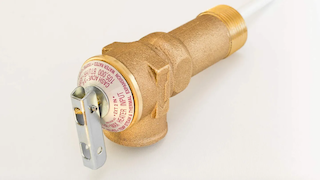
The relief valve is a critical safety component. Why replace relief valve in your water heater now. A faulty valve can cause dangerous pressure buildup and potential explosions.

Also Ignoring this small part can lead to flooding, property damage, and costly repairs. Replacing it now prevents disaster later.

What Does the Relief Valve Do?

This valve releases excess pressure inside the water heater tank, in addition preventing dangerous pressure buildup that can cause ruptures.

Over time, minerals, corrosion, and wear can cause the valve to fail, putting your home at risk.

Signs Your Relief Valve Needs Replacement

A failing relief valve compromises your water heater’s safety. Look for these warning signs:

  • Leaking water from the valve: Indicates it’s stuck open or damaged.
  • No water discharge during testing: Means it’s clogged or non-functional.
  • Unusual noises from the tank: Pressure buildup could be stressing the system.
  • Age over 3 years: Regular inspections prevent failures before they happen.

Waiting to Replace It Could Cost You, Why replace relief valve in your water heater now

Also A malfunctioning relief valve can cause excessive pressure buildup, leading to tank explosions and water damage.

For just $20–$50, you can also replace the valve and avoid a potential $1,000+ repair bill.

How to Replace Your Relief Valve

Replacing a relief valve is a straightforward process:

  1. Turn off the power and water supply to the heater.
  2. Drain some water from the tank to reduce pressure.
  3. Remove the old valve using a wrench.
  4. Install the new relief valve and secure it properly.
  5. Turn the water and power back on.

If unsure, hire a professional for a quick and affordable replacement.

Choosing the Right Relief Valve

Also Make sure your new relief valve matches the pressure rating of your water heater.

In addition Look for high-quality, corrosion-resistant valves to ensure long-term safety and performance.

Take Action Now for Peace of Mind Why replace relief valve in your water heater now

In addition A relief valve replacement is a small investment that ensures your water heater’s safety and longevity. Don’t wait until it’s too late!

For more information on relief valves, visit:

What the home renovation futures look like for now

Written By: claytonhome - Jun• 17•25

What the Home Renovation Futures Look Like for Now

What the home renovation futures look like for now

Home renovation is also evolving rapidly, driven by technology, sustainability, and changing homeowner priorities. Let’s explore what the future holds What the Home Renovation Futures Look Like for Now.

Smart Homes are Becoming the Norm

Home renovation future look to Smart technology integration is also no longer a luxury. Homeowners now expect features like smart thermostats, lighting, and security systems. According to Statista, the smart home market is projected to reach $231 billion by 2028 [source]. These innovations make homes more comfortable, energy-efficient, and secure.

Sustainable Renovations are in Demand

Eco-friendly home renovation materials and energy-efficient upgrades are top priorities. Homeowners are also choosing solar panels, recycled materials, and low-VOC paints. The National Association of Home Builders notes that green building is a growing trend, with 60% of builders incorporating sustainable practices [source]. These choices reduce environmental impact and lower utility bills.

Flexible Spaces for Modern Living

In addition The pandemic changed how we use our homes. Also Flexible spaces for work, exercise, and relaxation are now essential for home renovation. In addition Open floor plans and multipurpose rooms are highly sought after. According to Houzz, 56% of homeowners renovated to improve lifestyle needs in 2023 [source].

A Focus on Wellness and Comfort

Wellness-focused home renovations are gaining popularity. Homeowners are adding features like air purification, natural lighting, and spa-like bathrooms. The Global Wellness Institute reports wellness real estate is growing at 22% annually [source].

Technology is Streamlining the Process

home renovation Virtual reality and 3D modeling help homeowners visualize renovations before work begins. Digital platforms simplify project management and communication. This technology reduces errors and saves time, making renovations less stressful.

Conclusion: What the Home Renovation Futures Look Like for Now The Future is Bright and Innovative

Home renovation is moving toward smarter, greener, and more adaptable spaces. Homeowners are investing in comfort, sustainability, and technology. The future promises even more exciting changes for our living spaces. Now is the perfect time to embrace these trends and create a home that meets your evolving needs.

How to best prepare for a home inspection

Written By: claytonhome - May• 12•25

How to Best Prepare for a Home Inspection

How to Best Prepare for a Home Inspection

A home inspection is a crucial step in selling or buying a house. Proper preparation can make the process smoother and more successful. Here’s how you can best prepare for a home inspection and also ensure your property makes a great impression.

1. How to Best Prepare for a Home Inspection, Clean and Declutter Every Room

A tidy home creates a positive first impression for the inspector. How to Best Prepare for a Home Inspection, Clean all rooms, including closets and storage spaces. Declutter countertops and floors to make it easier for the inspector to access key areas. A clean home signals that you care for the property, which can influence the inspection outcome. Learn more about the importance of cleaning before an inspection.

2. Ensure Easy Access to All Areas

Inspectors need access to the attic, basement, electrical panels, and also HVAC systems. Best Prepare for a Home Inspection, Also Unlock all doors and clear away any obstructions. This helps the inspection proceed smoothly and shows you have nothing to hide. If an inspector can’t access an area, it may raise concerns. Read why access is important.

3. Check All Lights, Outlets, and Appliances

Also Replace any burnt-out bulbs and test all outlets. Ensure that appliances are working properly and that pilot lights are on. How to Best Prepare for a Home Inspection, Also Functional fixtures show the inspector that the home is well-maintained. Addressing minor issues beforehand can prevent them from appearing as red flags in the inspection report. See a checklist for home sellers.

4. How to Best Prepare for a Home Inspection Fix Minor Repairs in Advance

Take care of small repairs such as leaky faucets, loose doorknobs, or cracked windows. These issues are easy to fix and can make a big difference. Also Proactively handling repairs can reduce the number of items on the inspection report. Find common repairs to address.

5. Provide Documentation for Repairs and Maintenance

In addition Gather receipts and records for any recent repairs or maintenance. How to Best Prepare for a Home Inspection. In addition this demonstrates that you’ve kept up with necessary work on the home. Documentation can help answer questions and build trust with buyers. Why documentation matters.

Conclusion

Preparing for a inspection doesn’t have to be stressful. By following these steps, you can help ensure a smooth and successful inspection process. A well-prepared home can sell faster and for a better price.

Discovering the Best Cost-Effective fix for Your Home

Written By: claytonhome - Apr• 24•25

Discovering the Best Cost-Effective Fix for Your Home

Discovering the Best Cost-Effective fix for Your Home

Discovering the Best Cost-Effective Fix for Your Home. When it comes to home improvement, finding cost-effective solutions is crucial. Here, we explore budget-friendly fixes that enhance your home without breaking the bank .

1. Prioritize Your Needs

Before diving into renovations, identify what your home truly needs. Focus on areas that require immediate attention. Get a cost-effective Home Inspection to help prioritize and find potential hazards and safety issues. In addition Prioritizing helps allocate resources efficiently, ensuring you tackle the most pressing issues first. Home Improvement Tips

2. Embrace DIY Projects

Do-it-yourself projects can save money and add a personal touch to your home. Also cost-effective Simple tasks like painting walls or installing shelves can be done without professional help. DIY projects not only cut costs but also offer a sense of accomplishment. DIY Network

3. Opt for Energy-Efficient Upgrades

The Best Cost-Effective Fix for Your Home. Investing in energy-efficient appliances also reduces utility bills and enhances your home’s value. In addition Consider cost-effective LED lighting, smart thermostats, and energy-efficient windows. These upgrades also have upfront costs but offer long-term savings. Energy Star

4. Reuse and Re-purpose Materials

Re-purposing existing materials is an eco-friendly and cost-effective strategy. Old furniture can be refurbished, and leftover paint can be used creatively. This approach also minimizes waste and maximizes resources. Re-purposing Ideas

5. Shop Smart for Materials

Discovering the Best Cost-Effective Fix your Home. When purchasing materials, also compare prices and look for sales or discounts. Buying in bulk can also offer savings. Consider visiting local thrift stores or online marketplaces for unique finds at lower prices and cost-effective. Thrift Store Shopping

6. Focus on Curb Appeal

Discovering the Best Cost-Effective Fix for Your Home. Improving your home’s exterior doesn’t have to be expensive. Simple changes like adding plants, painting the front door. updating outdoor lighting can make a significant impact and be cost-effective . Enhancing curb appeal boosts your home’s value and attractiveness. Curb Appeal Ideas

7. Regular Maintenance is Key

Discovering Cost-Effective Fix for Your Home. Preventive maintenance is a cost-effective way to avoid expensive repairs. In addition Regularly check for leaks, clean gutters, and service HVAC systems. Consistent upkeep prolongs the life of your home’s components and is cost-effective and prevents costly emergencies. Home Maintenance Checklist

Conclusion

Discovering cost-effective fixes for your home involves strategic planning also smart choices. Also By prioritizing needs. In addition embracing DIY projects, and focusing on energy efficiency is cost-effective, you can enhance your home without overspending. Remember, furthermore a well-maintained home not only saves money. but also provides a comfortable and inviting space for years to come.

Verified by MonsterInsights